
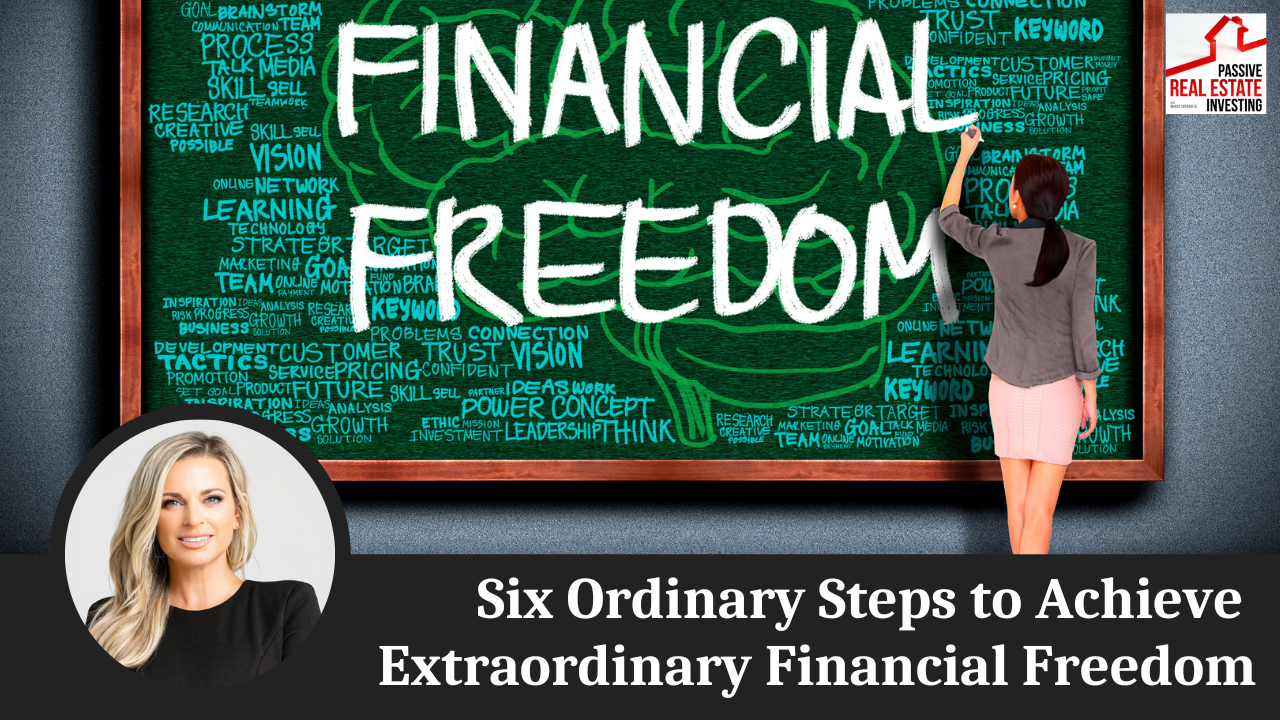
Hello, and welcome to another episode of Passive Real Estate Investing. I’m your host, Marco Santarelli. You know, you don’t have to be educated or very well connected to be wealthy. So how do wealthy people do it? Are they geniuses? Are they just lucky? Is it something in between? You know, we tend to think that something important or really special must be going on because sometimes it looks like magic, but nothing can be further from the truth. Wealthy people have simply adopted important yet ordinary habits, and they do them very, very well. They have consistency and they know what to do, and they just do it on a repetitive basis. And they achieve success sometimes slowly at the beginning, and then it rapidly increases. But they’ve learned the habits and the principles and skills to earn money, save that money, invest that money, which allows them to grow that money and then protect that money.
And all that comes down to creating wealth. I mean, that’s what they’re doing. The whole thing about Think and Grow Rich, you know, it’s a great book, but to think and grow rich and believe that is all that you need, it works. It only gets you so far. You know, you, you do need a certain mindset, and we’ve talked about that on the show many times and I’ve even interviewed multiple people that talk about mindset and habits and whatnot. And that’s all important. But it’s time that you actually do the things that need to be done, create those habits and that will allow you to become wealthy. And then you can set aside for yourself, you know, a lifetime of true financial freedom. So my guest today is an expert because she’s been doing this since she was very, very young. She has written a book called Wealth Habits.
It’s a great book. And I wanted to bring her on the show to talk about wealth habits. And in her book she talks about six ordinary steps to achieve extraordinary financial freedom. So, I mean, we could have talked for hours, but I took an hour of her time and she was very grateful and gracious about it. And that is what we’re gonna talk about today. So without any further ado, let us go straight to that interview. Well, I have a very special guest today. I was looking forward to this interview because Candy Valentino, who released a book back in November just a couple months ago, put out a really good book. And it’s something that resonated with me cuz I always liked the topic of wealth. So Candy is the guest today. And let me tell you a little bit about her.
Candy Valentino built a business, her business was built before she could even order a drink legally. So at 19 years old with no degree, no corporate background and no money, she founded her first business and went on to scale and exit several businesses in addition to creating a vast real estate portfolio as an investor, which I admire because I had an early start myself, <laugh>. So I applaud her for all of that. But through her success and at the age of 26, Candy founded a nonprofit charity and has been actively involved for over 15 years, personally raising millions of dollars with her 25 years as an entrepreneur. She has been named Top 50 Women in Business and top 10 business consultants by Yahoo Finance and was the youngest female to receive the Governor’s award in entrepreneurship in Pennsylvania. And then Success Magazine named her part of Women of Influence as well as leaders who get results with names like Tony Robbins. So she’s got a great bio.
FREE copy of The Ultimate Guide to Passive Real Estate Investing.
If you missed our last episode, be sure to listen to Client Spotlight with Emily Hall
Candy, welcome to the show.
Marco, thank you so much for having me.
It’s an honor to have you on. I’m looking forward to our conversation today. I know we chatted a little bit before we started recording here today, but I hope I covered most of you know, your background, which is very impressive. But can you share maybe a little bit more about yourself and, and where you came from?
Of course. Well, you know, I always hate those intros to be honest, because it’s like all it shares is I’ve been doing this for a really long time. But I’d also, I I always say, I’m like, can we just like make that a shorter bio of like a little less information? And then it gi gives people like the idea of like, they don’t have much to expect, but when you hear that it’s like I have to deliver a lot of good information. But basically I, like you said, I started my first company at 19. I, you know, people see you in one dimension and how you are now, but they don’t realize who you were before and who you had to become in order to do that. So prior to that moment, I grew up in a trailer on government assistance, two teenage parents, you know, no money, no education, no, you know, corporate background or degree.
And just watched what it was like to work hard and just believed in my ability to start and figure it out. So through self-education, through reading books like the one I wrote through, you know, so many that were out in the late nineties through infomercials back then with some self-help and personal developed things, I really just figured out how to start a business, how to grow, and realized that I loved it. And then I kind of stumbled into investing in real estate because I had a client that was a real estate agent and I saw foreclosure that was available and it was the same price as a new car that I was gonna go buy. And I thought, well, if I buy this car, what’s it gonna be worth in a few years? And if I buy this house, what’s it gonna be worth in a few years? And I read this book called The Millionaire Next Door. And so I just believe the book and bought the house and the rest is kind of history. So I’ve been doing it now for, you know, over about 25 years. I think it just turned. And it’s, it’s what I love. It’s passion of a passion of mine as I know it is for yours. And I just think that it’s something that’s not talked about until you do a self-education of wealth and finance and it’s so important. So I love what you’re doing.
Yeah. And likewise, same with you. I love what you’re doing. I know you speak a lot, you know, to live audiences and you have your own podcast and it’s great. I mean, there’s such a lack of financial education out there and the schools really don’t, you know, put it out in front of our kids and our teenagers. So someone needs to step up and, you know, provide that information. Which leads me to, you know, your book, you released a book not too long ago called Wealth Habits, great title and I’ve been reading it and it’s fantastic. So good job on that. Thank you. Tell us a little bit about the book. Like why did you write this book and what was your mission with it?
Well, so to be completely transparent, I didn’t wanna write a book <laugh>. It was something that just kept coming up throughout my journey. Writing a book is very vulnerable. You’re really putting yourself out there. And as somebody that doesn’t have a fancy degree or education, I kind of doubted the ability that I could write a book. But really what’s interesting is anything that we wanna accomplish in life, if we just look back at what we have accomplished so far, and remember that there’s so many things along our journey that we didn’t once know, but we were able to figure out. You know, it gives us the ability to then reflect on all of that journey and gives us confidence to take the next step on whatever the next thing is. So what I did was just practice what I preach and I just looked back and saw that 19 year old kid that had no idea what she was doing and the 26 year old starting a nonprofit that had no idea what she was doing and, you know, exiting companies and building others that why can’t I write a book, right?
So I just started taking that 25 years of information I’ve learned and just shared everything in a very practical, you know, as you know, if you’re reading it, it’s very practical strategies, you know, because think and Get Rich is only gonna get us so far. The mindset piece is important. It does take that first step because without it we’re gonna be swimming uphill, <laugh>, you know, trying to build wealth if we always have these like stinking thoughts in our mind. But after that, you have to do to be wealthy, right? There’s things you need to implement and execute. Like the idea of building a big business or having a bunch of rental properties are becoming, having a multimillion dollar net worth. The idea isn’t gonna do anything for you. It’s the implementation and execution, the action that you take that’s going to get you there. And I think oftentimes, especially now for some reason in society, it’s like, you know, hard work and focus is almost like demonized in some way as hu hustle culture.
But if I wouldn’t have done a lot of the things I did way back, if I wouldn’t have focused, if I wouldn’t have hustled, if I wouldn’t have had grit, if I wouldn’t have just, you know, not, you know, done a lot of things that my friends were doing, going to bars while I was trying to figure out payroll, I wouldn’t be where I am. So I’m literally just a result of playing the long game, like choosing to say no to so many things in the moment so that I could say yes to anything later. And that’s what I would ask your audience is like, if you’re really wanting to build wealth and take it to another level, like what are you willing to say no to now so that you can say yes to anything later. And I think if you just think of that, you know, think of every decision you make, every purchase you make, everything you do. Like is this decision taking me closer to or further away from the life that I wanna create? And being okay to say no to some of those things if it’s not gonna get you there sooner.
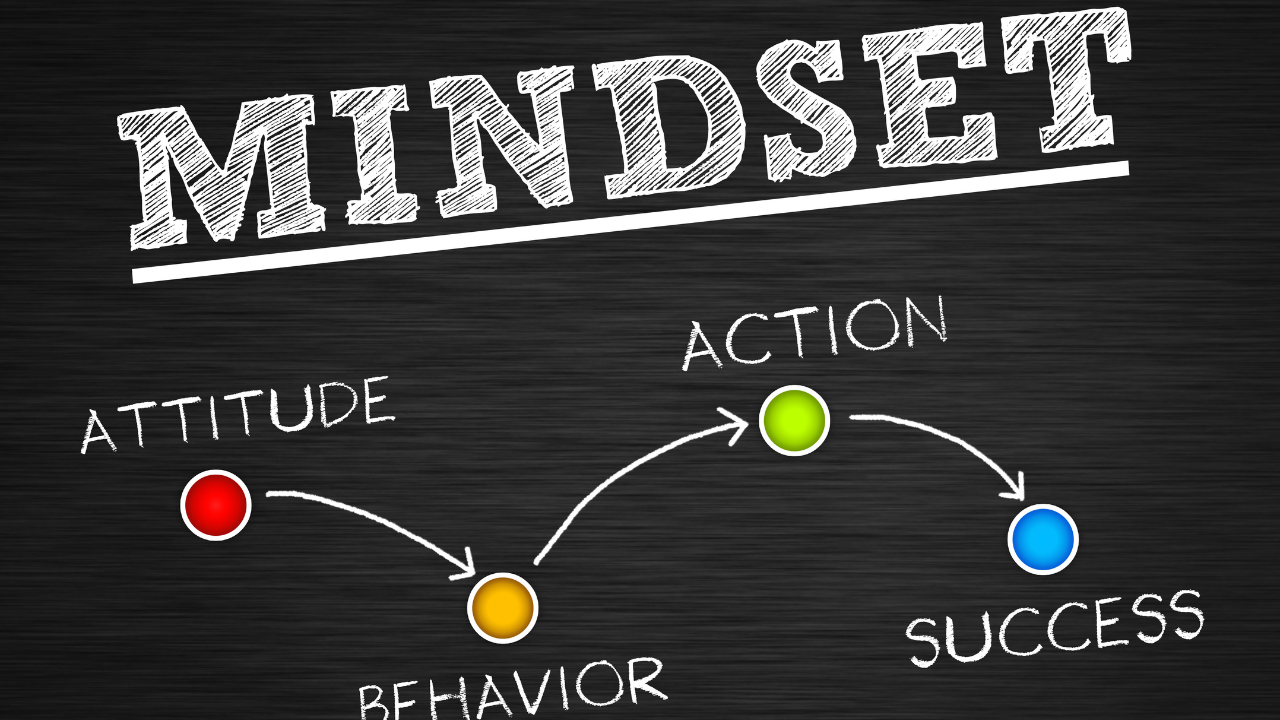
Yeah, I completely agree. I mean, a lot of that stuff I think falls back to mindset. Just having the right mindset. Education is certainly, certainly a, a very, very important part of it. But you know, I’ve always said that you can be the most educated person in a large room of people, but if you don’t actually put that knowledge into practice, you’re gonna be the most educated, poor person in the room. Yeah, <laugh> so, so true. So this is why I, you know, it’s true, but this is why I like podcasts and, and reading books, you know, whatever type of content I can get my hands on, even just hanging around with other people who are more successful than me, you’re always gonna pick up one or two or three golden nuggets from them. And that’s a form of education. Now just put it into practice.
You know, some people might refer to that as mirroring, but it works, you know, it helps. Absolutely. So correct me if I’m wrong, but I believe that one of the key messages that you have in your book is that you don’t need to know everything and you don’t need to necessarily be the best at anything to become wealthy. It’s just, you know, the practical habits, if you will, to use your mm-hmm. <Affirmative>, you know, your, your terminology that will get you there if you put it into practice and you stay persistent and consistent with it. So it kind of begs a very simplified question, but how can quote unquote, ordinary people become millionaires? It’s, it’s a very broad and general question, but if I throw that question out to you, how would you answer that?
Oh gosh. Well, it’s so true because here’s the thing, if you, if you wait to have the, the big idea or if you wait to think that something’s gonna get downloaded in your life, it’s gonna give you clarity that that million dollar idea, you’re literally gonna be broke for the rest of your life, right? It’s like what I did, I didn’t charter the rover to Pluto or figure out how to build an electric car and most millionaires don’t either. You know, it’s like figuring out how to play the long game using compound interest to our favors, not spending time, trading time for money, right? Like those are things that anyone can do right now. And so for me, the number one thing for me was building a business. And when we did the research for the book, the Forbes richest 400 people in the wor in the country, I should say, all have one thing in common, 75% of them all either have their wealth from family building a business, or they themselves have a business.
So for me, that was the first step was realizing that, you know, it’s not what you do for a paycheck, it’s what you do with your paycheck or it’s not even what business you’re in, it’s what you do with your net income and what you can invest in so that you’re not always having to trade time for money. I work with so many entrepreneurs and investors that think they’re doing that, but really what they don’t realize is they’ve created a job for themselves, something that they have to show up to all of the time, right? And they think they’re building a business, but that business won’t generate income or money without them. Well, if it won’t, that’s the definition of a job. So really it’s what are you doing with your paycheck if you have a job? Meaning what assets are you building so that you can have cash flow from those assets?
So you don’t always have to just depend on one income or one line of revenue, or if you have a business, how are you scaling and growing that business so you don’t have a job that depends on you showing up all the time. And really, I just learned that through books at a really young age and then just applied it. Sometimes being naive and not knowing is the best gift because you don’t already have preconceived notions and ideas. And if you hear something maybe from someone that’s been down the journey, or like you said, a mentor or being in the right rooms, you just apply it. And so my life has just been hearing great ideas and just testing and applying them and understanding that I don’t have to know all the answers. I just gotta know the next step. It’s like, let’s re reverse engineer our life.
Like what do you want your life to be? What do you want it to look like? How much money do you want? Like, and then let’s just re reverse engineer what that is. You don’t need to know all of the steps to get there. It’s like if you got in your car and you wanted to drive somewhere and Siri was like, turn left, turn right, go five miles, turn your like, we would be so overwhelmed, right? But all we know is that we’re just gonna go 300 feet and turn right. And to me that’s what’s building wealth and businesses all about, like know your next best step and then take it. And then it’s who you become in that process. And it’s what you learn while doing, like clarity comes in motion and it comes from momentum, but oftentimes people are just too afraid to take that next step.
Mm-Hmm. <affirmative>. Yeah. Very well said. You know, you made me think of a person who believes they’re an entrepreneur and wants to be an entrepreneur, but they are the business, it’s essentially a solopreneur. Yes. You know, they don’t have any systems in place to be able to walk away and let the business continue running and generating cash flow because they are the business, it’s all them. So once you can, you know, leverage other people’s, you know, it’s skills and talents and efforts, now you’ve, you’re creating a true business. Something that you can walk away from or even sell down the road for a profit. So very good points.
Right? Because I mean, solopreneur is really the new term for self-employed, right? And there’s nothing wrong with being self-employed if that’s what somebody wants to do. They just wanna do what they do in their job before themselves. But just understand what you’re doing. Like you will always have to wor like you’re not actually building an entity that you can then exit because there’s nothing proprietary, there’s no people, there’s no processes. Like, there’s nothing that becomes an asset for you to sell. When business becomes part of wealth building, it’s because you’re also building another asset, a real asset that then you can exit and sell and do whatever you want with after that. So I just think it’s not right or wrong, it’s not to say you have to do this if you hate that, but just know what you’re building. Oftentimes entrepreneurs don’t realize it until they build a cage for themselves that they can’t crawl out of mm-hmm. <Affirmative>. So I think it’s just important to have that conversation.
Yeah, yeah. Good point. So Candy, your book is about creating wealth, but at the same time it’s also about, you know, financial freedom. And I think you make the differentiation or distinction in the book that those are not necessarily the same things. So what’s the difference between creating wealth and having financial freedom?

Well, I think the interesting thing is people sometimes when they’re on this wealth building journey, especially when they start, right, it’s actually money. They’re, they want money and they typically want money to buy things to make people think that they’re successful and rich, right? It’s not necessarily a journey that they’re on to really build freedom for their life. And also most people don’t realize that until they already have money and then they realize that they don’t have freedom because they build a job for themselves. So I think it’s interesting that if we really define wealth for what it means to you, it’s like now we can start to really create the freedom. Because that’s really when people want, people want to be able to go where they want, when they want, as often as they want be with their family travel. Mm-Hmm. <Affirmative>, right? Like that’s the ultimate freedom and not have to show up for something or someone if you don’t want to.
So to me, wealth is not just acquiring a bunch of money or buying a bunch of things. Actually I tell people, if that’s what you wanna buy the book for, don’t do it cuz you’ve missed the whole point of building wealth. Like wealth is about giving you a rich life, a life that you enjoy, a life that you love, a life that you’re able to help other people and serve. And that’s what I learned at a really young age. And I’m super grateful and blessed that I was able to learn that at such a young age. But you know, here I was 26 years old, 25 or so realizing that I had accomplished every goal. Like I had done all the things, I had, all the thi I acquired, all the stuff that, you know, successful people, the cars, the shoes in the girls world, the handbags, <laugh>.
I know it’s different for guys, but you know, I’d had all those things and I realized that was that all this is like these dopamine hits that we get from buying something is so fleeting that happiness that it gives us is so short-lived. But you know, what was it? I couldn’t quite put my finger on what it was and I was buying a bunch of commercial real estate at the time and I just kind of had this feeling that I, I missed the mark, like I missed the entire point. And I think oftentimes people get to a certain level in their life or a certain age in their life, you know, whether it’s somebody that is a multimillionaire or a billionaire and their kids don’t even wanna talk to them. Like, you know, where they have no one around them, no one that cares about ’em, other than the people that just wanna know what they can get from the person, right?
And so I think we all know people like that. And so for me it was realizing really early that, you know, building wealth is about what we can give, it’s about how we can contribute to others, whether it’s our family or the world or to charity. And so I just caution people that if your only goal is to make a bunch of money, I just worry that at some point you’re gonna look back with some regret because we can’t take it with us. We can have a lot of fun and freedom with it while we’re here. But is it contributing to something beyond yourself? Like life isn’t just about what we get, it’s about what we can give. And I think the sooner we learn that, the happier and more fulfilled we truly become.
I agree. You know, I’ve, I’ve always said that what we ultimately want is time freedom, you know, to do what we want when we want and with the people that we love and, and that we wanna spend time with. So that time freedom requires financial freedom, but to get that financial freedom you need to create the wealth. And so they’re linked together, but they’re not the same thing because one leads to the next thing, to the next thing. But on that, you know, note of financial freedom, I, I’m gonna ask you a relationship related question here. Many, many years ago I had my cousin tell me this was, this is when I was on the path to financial freedom, I was an entrepreneur and I was started as a real estate investor. He said to me, women as in girlfriends and maybe fiances and potentially spouses are going to be your biggest hurdle or anchor, if you will, that holds you back towards getting to where you want to be financially. And you know, I, I’m paraphrasing what he said cause I don’t remember word for word, but it was interesting cuz he said, you know, he said a girlfriend’s gonna be a time suck <laugh>. And I never forgot that. And there is a lot of truth to that because I know you have to split your time between your girlfriend or your spouse versus, you know, working on a business. So my question to you is, you know, what are some relationship pitfalls, if you want to call it that, that can get in your way towards financial freedom?
Oh, well, of all of the things, everything, like we can talk about, you know, all the tactics, all the strategies, all the investment opportunities, what, what to do in this next economy, like what, how to recession proof. We can talk about all that. But the number one factor that will actually determine your net worth or the opportunity cost truly of your net worth is the relationship that you’re in. Like people think like, oh, I just gotta watch who I marry because if I get divorced, no, no, no, no, no. <Laugh> what the, what the, what the opportunity cost would be is so far greater than the cost of a divorce or dividing your assets. Because what it keeps you from building, if you’re with someone that is not in alignment with you in life, in business and wanting to create wealth, it will be like carrying a box of rocks up a hill, right?
And so I think that being with the right person, girlfriends aren’t just expensive. Guys are expensive too. If it’s again, somebody that’s super needy and needing your focus and always needs their ego built and like you can’t be the strong person you are because their ego’s too fragile and he needs buildup all the time. Like it goes both ways, trust me, <laugh>. And so I think it’s just remembering that who you’re in a relationship with will be detrimental or impactful to your pursuit of wealth. So make sure that you’re in alignment. And one thing I can share with you, if regardless if you’re married dating, and regardless if you’re male or female, this is a conversation you should be having with your partner set up two hours every single month. If you guys go to the movies, if you watch Netflix, there’s no excuse not to invest at least two hours into your financial life because it’s going to be a large part.
We know that the number one thing that leads to divorce anyways, or any type of relationship split is the conversation of money. So set up two hours in your calendar, take out your phone right now, pop it up by the 25th of every month because that gives you a chance to have all your bank reconciliations done from your bookkeeper. Have all your reports up to date, set down, go to dinner, have a glass of wine, visit your favorite coffee shop, take your balance statement, your PNLs your income statement, your cash flow statements, whatever business that you have. And if you don’t have these, you should still be running this for your personal life and have a financial date. Look at your expenses, your credit card bills, like how are you gonna pay down debt so that you can get outta debt and start investing more into your future.
How can you increase your earnings? Like these are things that you should be doing every single month and investing that time so that it doesn’t trip you up later. And, and I say just for women, like I’m an an odd duck in the sense with finances. Cuz most women, especially at my age, weren’t into business finance and money. Like I was like there were no women on the cover of books back in the late nineties. It was all dudes <laugh>, you know, that were on the books that I read as a kid. And so women in general typically shy away from the conversation and topic of money because they don’t think that they don’t need to know it or they don’t wanna understand it. But I just encourage you that I’ve heard so many conversations of women getting blindsided, you know, because they don’t understand finance and then there is a separation, they’re left with nothing. So get involved if you’re in a relationship, have a money date and go out and talk about it and, and don’t have anxiety about it. I mean it’s like we don’t know what we don’t know. So when we start to talk about it, we’re gonna fumble and like not exactly know, but you gotta do the work. You gotta build the habit of always addressing this so that you can truly build the life that you want with your partner, especially if you have one.

That is such great advice. We’re basically saying that your spouse or your partner should be much like a business partner, your financial partner, you’re gonna have to, you know, open the books and expose it all.
Exactly. And it doesn’t matter how, like even if you have a prenup and you, you know, everybody has a different situation. Like some people just put all their money in one account, some people have his hers and theirs, like whatever your financial situation is is fine, but you gotta understand it and know where you’re going. Cuz otherwise you’re just like two ships passing each other on the water. It’s gonna be far more powerful if you can align and have a big tanker that’s going towards whatever you’re trying to build in life. So if you have a partner and you’re choosing to build a life with them, that life includes your finances. Yeah. So get on the same page and you can amplify and rock it out better together.
Yeah, I totally agree. So I love the way you broke the book up into basically six parts and you know, the six parts are essentially the six habits and you, you refer to them as the six steps you’ve got growing your way to wealth, learning your way to wealth, earning your way to wealth, saving your way to wealth, investing your way to wealth, and finally giving your way to wealth, which you know, is a great ending to the book. I’d like to just take the remaining time here today, you know, next 20 minutes or so just to touch on each of these sections because I, I there’s so much in each section that it would, you know, take an hour or two to talk about each one thoroughly. But in, in your first section, which is talking about growing your way to wealth, you talk about the bs, you don’t have to keep a, keep it friendly here, that keeps us broke. Talk a little bit about what this BS is, you know, that keeps so many people broke if they don’t break out of it and change their beliefs and mindset.
Ugh. Well that’s why this is the first chapter cuz we gotta get through this first, right? Every single thing that anyone listening right now, anything that you think about money, because we’re not taught this because it’s not instilled in our education from first grade to sixth grade where really our mind is formed around certain topics. Everything else is either caught or taught by someone in your environment. So either you caught some belief about money from your parents or you were taught something in some way by somebody else around you. And most times, especially like depending on your age, when you’re looking back generationally, most people don’t come from a super wealthy family. So they probably don’t have great wealth habits instilled in them of how to actually, you know, create multiple streams of income and how to build a business and how to diversify your investments.
Like these aren’t conversations that most people have until they realize that they don’t have enough money to get through their month. That’s when people start to talk about money, right? And so like if we start to address these things first, we can build that wealth financial life more quickly. So it’s really addressing like what are some of the things that you think when you meet someone with a lot of money. When you talk about, when you talk to someone or you talk about money, like do you feel money’s limited? Do you feel that you’re broken, that you’re never gonna get out of debt? Do you feel that you made bad decisions? Do you have guilt or shame about some financial decision that you made in 2008 and now you’re dragging it into 2023? Like those things are not gonna serve you now. So we first address that stuff in the mind so that people can drop it, drop the guilt, drop the shame, and then do what’s next. Like we can’t control where we came from. We can’t control the decisions that we made when we didn’t understand certain information. What we do get to control is what’s next. We do get that choice. And so I think it’s important for people to realize that this is a decision and what got you to this point isn’t gonna get you to the next point. So we have to grow our mindset in order to really grow our bottom line.
What would you say is the biggest, what I’ll call common belief that keeps people broke? I mean there’s many different beliefs that people have and some of them are positive and move people forward and many of them, you know, hold you back and these limiting beliefs are can be very destructive. What would you say is the largest limiting or or common belief that keeps people broke?
You know, there’s so many that are anchored in scarcity, but I think the one that comes up most is comparison. They don’t realize that this is a mindset or that this is lack or scarcity, but it actually is. People compare themselves with other people, what other people have, what they’re doing, what they’re, you know, what they’re driving, where they’re living. And then they immediately start to feel lack. And that lack will either create jealousy or insecurity or it’ll, you know, tinge their ego a little bit. And so then they start to make reactive decisions as opposed to decisions with intention about money. So realizing that it doesn’t matter what somebody else is doing, it doesn’t matter if they’re on their first year or 10th year or 20th year of their journey, what matters is what you are doing. And that comparison, that lack that you’re feeling when you look at someone else, will just keep you stuck right where you are. And so I think that’s one of the most that people don’t quite realize that that’s a lack, scarcity mindset, but it totally is. And it’ll, it’ll really limit what people are a, a able to accomplish.
Yeah, yeah, that’s true. Well said. So the next section of your book is about learning. And I know you’re a big believer in self-education, which I think is fantastic. There’s only so much you can get from other sources, outside sources that are pushing that information on you. I think you need to take charge and responsibility and educate yourself and there’s so many ways to do that and many of them are actually free. So my first question about that is, you know what advice, I mean this is pretty basic, but what advice do you have for people when it comes to what you are, you know, trying to teach and tell people about self-education?

Yeah, so it’s four steps. Read, listen, observe, model, that’s it. It’s what we read, it’s what we’re putting into our brain, it’s what we’re listening to on a daily, weekly, monthly basis. It’s what we’re modeling in our environment who’s around us. This goes back to the Jim Roh quote, that you’re the sum of the five people you hang out with, you know, and then it’s, then it’s modeling, modeling the behaviors of those that are on the journey and already where you want to go. So read, listen, observe, model. And so number one would be what are you, what are you reading? Every single person that is super successful billionaire, they will all tell you that they all read or listen to audiobooks consistently. Because we always have to be expanding our mind and that that’s science and data. That’s not our opinion. So what are you reading if you’re not consciously reading at least like a book a quarter?
Here’s what I find. Most people, what they want, their behavior doesn’t align with their desires. So if you want a multimillion dollar net worth, if you want a massive investment portfolio, if you wanna build a rich life, what are you actually doing daily that’s going to get you there? Are you complaining or you compares? You know, are you listening to rap music on the way? Are you binging Netflix? Like what are you putting in your brain and choose to put something that’s going to help you get closer to your goal. Like we all have the ability to hedge the odds in our favor. It’s like, that’s why I love real estate investing cuz stocks, we can’t really hedge the odds in the favor well legally, right? Like we can’t really hedge the odds in our favor. But with building wealth, real estate business, like we can learn things, we can observe things and we can model them, which will, will start to hedge the odds in your favor. So what are you currently doing to hedge the odds in your favor? What podcasts are you listening to? Who are you around? Who are you observing in your environment in life? And then how are you modeling them to get closer to where you wanna go?
Yeah, yeah. Very well said. I I had a thought to piggyback on what you were saying and now I, it it just escapes me, but it, it’ll come back to me and I’ll mention it cause I don’t want my audience to lose out on that, that little nugget. But in that same section of your book, you talk about this million dollar argument. I I really like that. Can you talk about that for a minute? I I really like the million dollar argument piece.
Yeah. So, you know, this might not, I always say it’s not popular opinion probably, but maybe, you know, d don’t know how your audience will take it. But it’s interesting that I feel that you know, I don’t always say the most popular things, but they’re true. And I just like people to know the other side, right? So society is always pushing college, college, college colleges. That’s the way to actually, you know, make more money and succeed in life. And most of them share that on average, they, they have this on their websites that on average people with a college degree will make more than a million dollars over time in their lifetime than those that don’t have a million dollar degree. But what they leave out <laugh> is the amount that you pay and the time that it takes to get that degree. Now, I am not saying that we shouldn’t be sending some people to college, I’m just saying that it’s not necessarily for everyone.
Like I don’t think that we should be as a society pushing everyone into one way when I know so many quote boring, but very rich businesses that do not require a degree. H V A C companies, you know, home repair, handyman. I mean, I know so many people that make very, very, very good money far more than those with a four, six, even eight year degree. And oftentimes those people are coming to me to try to help them build a business so they don’t have to do what they went to school for anymore. The argument is this, if you take that same amount and you invested that and even just a very average s and p 500 and you just sat over time and you took those four years and did self-education even with a minimum wage job, I basically did the data to the show that their argument is bs.
That you actually would have millions more by the time you go to retire by doing that. Now granted, I’m, if you wanna be an astronaut or an engineer or a heart surgeon, of course you need to go down that path. But for the average person, there is another way that you can do it that schools aren’t teaching us about. And obviously we’re, they’re not incentivized. Like think about all of the stipends that schools get that even keep costs down. If our government and all of the other subsidies from the alumni weren’t giving colleges money and they were charging higher and higher rates, the average is about $85,000 for a four year degree right now that would be about $150,000. Imagine what you would do if you just invested that and took those four years to learn something else while working. The stats are all in the book. Like it’s, it’s, you can’t debate it, it just shows what that is. So I think that’s a really important conversation to have. Anyone that has kids at least just be open to the fact that maybe college isn’t the right path and that maybe there’s something else that they can be doing that will set them up to be successful and happy later on.
Yeah, interestingly, that’s the conversation that I’m having with my 15 year old daughter right now is do you really want to go to college? And you know, it really is, that’s not the right question. It’s why would do you want to go to college? Like what is it you are setting out to do? Because if it’s not what you’re gonna get from college, why waste the four years you can earn some income, save that income, invest that income, get yourself way ahead, and in the meantime be reading some real estate books, some entrepreneurial books, some finance books, which I’m handing to her, you know, I’m giving her the one minute millionaire, I’m giving her Rich Dad Poor Dad, which she just, you know, finished reading last year, et cetera, et cetera. You know, like that education in my opinion is better than a lot of the education you get out of high school. So, you know, it’s just what’s, you’re feeding your brain.
It’s a hundred percent anyway, give her wealth habits next <laugh>. Yeah.
Yeah. So, so perfect segue to earning, you know, like, you know you talk about these quote unquote secrets, you know, what are the so-called secrets to building multiple streams of income, which I love that title by the way. I, I just interviewed Robert Allen not too long ago and we were talking about, you know, his book The Multiple Streams of Income among other things. So I’m gonna throw it to you. I, I, you know, we, we talk about three types of income earned passive in portfolio and you know, it’s been my belief that you wanna, the fastest way to wealth is to convert your earned income into passive income. And the, the sooner you do that, the sooner you’ll be financially free. I don’t know if I like the word secrets all the time, but I’m gonna throw it over to you anyway. You know, what are these so-called secrets to building these multiple streams of income?
Well that’s the reason I call ’em so-called if there aren’t any, there’s not really secrets, right? It’s kind of like the secret is yeah, da da da da da. There isn’t any <laugh>, like that’s kind of like drum roll, but, but what it is in a sense to some people, because they haven’t heard them before, right? So it’s maybe new information, but they really aren’t that secretive because it’s all the stuff that’s worked from the test of time from generations ago. It’s like how fast can you take your earned income and invest it to create passive or portfolio income? It’s gonna lower your tax basis. So you’re gonna keep more of what you make and then your money is gonna continually make money when you’re not trading time for it. So that’s really the basis of it. When we did the data, of course, I always go back to the research cuz we did the largest study of people with $2 million or more net worth to see what they actually had for multiple streams of income as opposed to what’s regurgitated on the internet, which everyone says there’s seven streams.
There’s actually not based off of the research we did because most people are classifying the streams incorrectly, which is why they’re counting them up to seven, right? They’ll say like, I have a book and a course, you know, and coaching clients. Well no, that’s all one that’s under your business and that’s all earned, right? So really there was four and over the Forbes 400 and in the study what we found was that they all had income from a business. They had income from real estate, they had income from a portfolio. And then I believe it was more than two thirds of them had either IP or some proprietary royalties that they were getting as well as income. So those were the most common for, so they aren’t really secretive, but really it’s, again, it goes to the behavior, it goes to the habit.
If you’re taking your earned income and you’re spending it on your Starbucks every day as opposed to making coffee at home and buying Starbucks stock, like that’s the difference. And I have this data point in the book as well. It’s like if we would’ve instead of been buying the fancy iPhones all along and we just would’ve been keeping what we had as long as we could and buying the Apple stock, we would all just in that one line of revenue have had millions, right? So it’s like what are you doing? What behavior? And it’s really changing the whole entire way that we view money because what we’re taught is go to school, find a career, make a job, get married, have two car payments, buy the house, have a couple kids, right? Like pay college debt till you’re 50. That is the quote, the the really what’s general and average in America.
If you said like, oh, what do you wanna do when you grow up? Well I don’t wanna do anything. I wanna have a bunch of property, I wanna have diversification in my investments and I wanna be able to do whatever I want. Your teachers would be like, they, they wouldn’t even know what to say, right? So it’s like, it’s a totally different thought process about money, how we earn it, how we spend it, and then realizing that there’s always the ability to earn more. Like especially if you have a business mm-hmm <affirmative>, if you’re in in business right now and you’re listening like there’s only four ways to increase your revenue. Every single thing that you hear over time all boils down to these four things. You either acquire a new customer, you get a customer to buy more from you, you get a customer to buy more frequently from you or you raise your prices. Like that’s really it, right? Like all the fancy terms are broken down into those four things. And so when we think of that and we really break down hard topics simply, we can actually do them and duplicate it and then once we can duplicate it, we can get consistent results. So that’s why it’s this whole shift of just the way we view not just money, but how we make money and then what we do with it will truly change not just your life but generations to come.

Yeah, yeah, for sure. So earnings important obviously. And the more you earn, the faster you can achieve your financial goals. And the way I look at it is you want to earn as much as you can as fast as you can. And then I talk about taking that income regardless of where it comes from earned or passive or otherwise, and create what I call chunks of cash. And then your goal is to deploy those chunks of cash to turn them into streams of cash, which is your passive income. And you know that that leads to your financial freedom and hence your time freedom. So my reasoning for saving is to create those chunks of cash so you can deploy them and go quote unquote broke as soon as possible because you’re now turning them into assets that generate more cash flow. Do you agree with that? You know, line of thinking, first of all.
A hundred percent <laugh> so I was like, as you’re talking, I’m like this is literally a hundred percent what I think I call them soldiers. Like I’m like use your dollars like little soldiers and deploy them. But that’s really the only reason that you’re saving is to invest like you’re not sa like other than a fallback fund because let’s be real, not everybody has the discipline or the net worth because the reality is more people have built wealth and lost it, then sustained it. I know more people that had a large amount of wealth and a large real estate portfolio back when I started investing. I know more people that build it and lost it that have sustained it to this level. And that’s as you build more wealth and more wealth and when you talk to people who are just in their first few years making money, they’re making money, they’re not building wealth cause they don’t have assets and they’re over leveraged on debt because they, you know, heard some TikTok posts of doing these things, which works when we have great markets.
But when we have market volatility or there’s a pullback or there’s a reset, which will always, always be, do you have the discipline to get through those? So I always say the only cash you should have on hand if you don’t have a lot of liquid, because you know most people are gonna have it tied up in the markets or in you know, real estate, is to have some sort of fallback fund at least three, six months if you’re in a cyclic business or you have people that depend on you for your income, like you’ve gotta have some of that cash aside from that you’re creating chunks like you call it, or soldiers like I call it that you can then deploy into other investments that print you cash flow. So the only other way that I talk about in saving your way to wealth is why you do this so that you save on taxes. Because otherwise taxes will be the greatest destroyer of your wealth because it’ll bleed out your bottom line and you won’t have anything left. So that’s another reason why you’re building this passive and portfolio income and deploying those soldiers or chunks into investments as quickly as possible.
Yeah, and you know, you mentioned taxes, which is one of the reasons I love, love, love income producing real estate is because it’s such a beautiful asset class that provides amazing tax benefits. So it’s perfectly segues into the next, you know, second last section of your book, which is about investing and that, you know, you talk about real estate now, you started investing in real estate when you were I think 21 years old. Mm-Hmm <affirmative>. And if I’m not mistaken, I heard a story that you wanted to buy an entire street <laugh>. Yeah. which is amazing, great goal. Where did you get this desired knowledge to invest in real estate at an early age? I mean, that’s what I did, but I want to know what your story was.
Well maybe it was monopoly. I don’t <laugh>, I don’t know where everyone always says like, how did you get that? So I love that was my favorite game of course was Monopoly and I always wanted to buy the whole streets <laugh>. And so maybe I did that in real life, but it really came in real life. I say that in justice really came in real life when I was wanting to buy. I wanted to acquire the corners of it so that then I could buy just the, the ones in between and work my way in.
Okay. So Candy one question about real estate. Why do you refer to real estate as the hat trick of building wealth?
I really don’t know a lot about sports, but I know that hat trick means three goals in hockey. And so I always loved with real estate how, you know, you, you get appreciation on the property, you’re able to then have passive income opening up another business for your rental property. So you have a lower tax basis that you’re able to save more of what you make. And then obviously cash flow. So it’s, to me it’s like check, check, check. Right? And, and actually I don’t know what it would be called in hockey to have four goals, but there’s really a fourth that I don’t talk about as much. I did put put it in the book though about flexibility. You know, real estate has great flexibility as opposed to you invest money in a stock market and you’re hoping that everything’s right, you’re hoping that you bought it, right?
You’re hoping that the business that you invested in does things right. You’re hoping that the management is, you know, not doing anything illegal, that it’s gonna disrupt the company at some point and then obviously cost you money. But with real estate you have more control, you have more flexibility. You can actually, you know, say you get into a property and you wanna whatever, have Airbnb and then all of a sudden you realize that you didn’t do your research and the market saturated, you can turn it into a long term hold. You know, if, if for some reason that goes wrong, well maybe you sell the house that you’re in and then you move into that house, you know, maybe you have the ability to, to make it a duplex and rent two pl. Like there’s so many options with real estate that I feel like it gave me a little bit more control that I didn’t just put my money blindly into something or trust someone else with it.
Even, you know, a financial pro or advisor that maybe didn’t have my best interest in mind cuz they have a lot of clients to work with. So that’s why I like it. I like the flexibility and of course all of the other things. And, and that’s why it’s forever, for last 23 years or so, it’s been my favorite way of investing. And I think that there’s always opportunity in it too. Like a lot of times people are asking me, should I buy real estate right now? You know, not that we maybe wanna go down this topic, but I think that if we don’t buy real estate right now, we’re gonna come to a place in, in US history that we might not be able to buy hi, be able to buy real estate at some point. Like I think that these large corporations that are putting all their money together to really buy more land and develop more and buy more properties, I think, I think it’s only gonna get, continue to get pushed out. And so I think that as a whole, it’s always a great time depending on what your financial situation is. But I do love the flexibility that even if you don’t necessarily buy it for the right price or the very specific point in time, like as long as you’re playing the long game and you’re holding it, you’re always gonna be fine on the other side, you know, generally speaking. So that to me is the main reasons.
Yeah, great answer. And and I agree with you. I, I think real estate is a very slow moving asset class and because of that, it’s a, it’s very forgiving. You know, you can make a mistake and overpay for a property, but on a long-term horizon, it will correct itself. Like you, you will always end up ahead if you’re in a good market and in a very good neighborhood. The, the neighborhood to me is probably the most important thing. That’s what I love about real estate. It’s forgiving, it’s a great wealth preserver, it’s a good wealth creator, it’s multi-dimensional, you know, that’s why so many people love it and it’s available to virtually anybody. You don’t need to be an accredited investor to invest in real estate.
Oh my gosh, there’s so many verticals, right? And I always say like, it’s the one place that I could buy more assets with less. Like if I have a million, like I’m gonna do a million dollar investment for a million bucks, I can buy four or five, maybe even 10 million in real estate depending on the deal and what it is. But if I have a million bu a million gonna buy a million dollars in stocks. So to me it allows me to create more assets and have a, a higher net worth overall with less cash outta my pocket. So that’s another thing I, I think it just lets the little guy in, even though people don’t think that because you need, you need money to buy property, it still has a less amount. One of the things I always tell people, if they haven’t bought a house yet and they’re renting, like the very first buy you should ever buy, and I don’t know if you agree with this, but it’s buy a duplex, a triplex, a quad apartment building, live in one of the units mm-hmm. <Affirmative> for at least a year, get an f h a loan, have very, very, you can only do it once. So why, you know, why burn it on your dream home, burn it on investment property and that you don’t have to have a lot of money in move out, do it again. And now you just, I mean, that’s how you get more and more doors without having a lot of risk or needing a lot of money in the beginning to get started.
Mm-Hmm. <affirmative>, it’s a very good way to start. They refer to that as house hacking.
<Laugh>. Yeah. It’s a, there’s a fancy term. 20 years ago there wasn’t a term for it, but now there’s a term for it. Yep. Yeah. <laugh>. Love it.
Love it. Let’s close this up with talking a couple minutes about giving. That’s your last section and you’re the sixth habit or sixth step, if you will, in your book. And, you know, I really like this section because, you know, I contribute to, you know, various causes. And we, when I say we, my business partners and I, we’ve launched a new endeavor, if you will, nonprofit called impact others. In a very short period of time, like less than two months, we already had over 2 million of commitments. And that money goes straight to feeding and educating, you know, children in need, you know, in impoverished kids, in, in third world countries for the most part. But, you know, you’ve got a chapter on it, I think in there you say, you know, that contribution is where true wealth flies, something to that effect. Can you Yes. Tell me why you say that.

Yeah, so like I shared with you earlier, like I, you know, had had all the things, acquired the success and checked off all the boxes and felt pretty empty to be honest. And I know a lot of people that acquired a lot of money, built a lot of things and, you know, either had wrecked relationships in their life or they were super unhappy and, you know, whether it was drugs, alcohol, women, or destination addiction, always trying to do the next thing and go to the next place and do the next thing because there was something just missing, like a big gaping void in their life. And so for me, it’s like when I feel that whether it’s pain or confusion or chaos in my life, the number one thing that shifts our mind, because our brains cannot process pain, gratitude, pain and contribution. We can’t feel our own pain and give.
So the fastest way to ever change your state is to literally focus on someone else. Like if you’re having a miserable day, go pick up someone else’s groceries, go volunteer in a soup kitchen, go walk dogs at an animal shelter. Like go give and watch how it shifts your day. Like there’s science, there’s studies, there’s so much data that supports this. But it was also through me realizing that there were so many people in my life that had built money that weren’t contributing. And watching a few of my friends die realizing that that was their one regret, you know, on their deathbed saying, I didn’t do anything with this wealth I didn’t give in a certain way. And so for me, it was something I’m super grateful that I learned early on because we think that we’re doing it for others, but what we don’t realize is what we give, what we give back.
And so, you know, starting a nonprofit at 26, having no clue what I was doing, but just wanting to serve and support and give back to the community that helped me be successful was really what I started it for. But what I didn’t realize was that it healed me in so many ways. It gave me the desire to get up in the morning and work hard and stay up late and do all these things. Like when I look back over the last 25 years, the first quarter goals that we crushed, or the franchise attorney meeting that I had to get to, like, I don’t remember those in such a way that when I look back, when we cut the ribbon off of the second location of the nonprofit, like when I stayed up super late and start and helped with legislation to make animal cruelty a felony in Pennsylvania, like those are the moments that I feel that my life and my hours of time mattered the most.
Mm-Hmm. <affirmative>. And they were all doing things that had no benefit to me whatsoever. And I think oftentimes as humans, we don’t do that because we think we need to build wealth and have some amount of it in order to give. But everyone listening can give right now, like you either have time or you have money, you have time to be able to donate to a co to donate and, and volunteer in some way, or you have money to be able to share and give. And if you don’t have either you don’t have priorities, so time or money and doing at least 10% of that, can you donate two hours of your time? If not, then you can donate some money every single month to a charity and give back and contribute to the world in some way. That’s when life will start to make sense. And so if anyone is not feeling committed or clear or jazzed up or excited about what they’re doing in life, it’s because you’re focusing on what you can get. And when you really shift to what we can give and what we can leave and the legacy that we can, that we can have on this earth, that’s when life starts to really get exciting and it starts to really make sense and starts to feel more vibrant and alive and just have that rich life that I think everyone craves.
Mm-Hmm. <affirmative> very, very well said. I think you kind of summarized that in your book with one sentence. You said, happiness isn’t something external that others give you, it’s something internal that you give yourself. Yes. And when you give, it’s it, you know, it’s just amazing how good it makes you feel. You just want to do more of it, you know, it’s just the gift back to you is how good you feel about helping others, you know, it’s, yeah. It’s so true. Well, I think a good way to kind of tie a bow on all this and wrap things up is just one last thing here. I love your ending in the book with the hundred million dollar rule. You know what I’m talking about? Yes. Can you just take 30 seconds or whatever and talk about Yeah. Your hundred million dollar rule.
So people, I think oftentimes in life, were always focused on what we think we should do or what we’re supposed to do or what society expects of us. And oftentimes we get so confused by listening to external noise or waiting for validation that we don’t ever find out what we really want, like what really lights us up or maybe even why we are here, right? Like we could be here to build a business and maybe there’s something bigger that you haven’t even scratched the surface at. So my million dollar question is this, if I were to give you a hundred million dollars right now, but it sits in a bank account and the only way you can access that money is by doing something every single day. You have to at least do something six hours a day, five days a week, every single day in order to start to take that money.
What would you do? I think oftentimes we think this is what we should be doing, or we feel that we have to do something. But when’s the last time you gave yourself permission to be eight years old again? And just think and dream about what you wanna do? So if money is taken off the table and we’re not trying to acquire it, then maybe you’re missing something much bigger than you’re thinking. I think oftentimes we, what’s available for us is so much bigger than what we know because we only know what we know at this level, right? We don’t know the next level. We don’t know what we don’t know. So maybe there’s something bigger, bolder, more vibrant for you out there, but you have to take money off the table just for a moment because the reality is, is if you love what you’re doing, or at least are enjoying what you’re doing, you will outrun, outlast out, survive anyone in your industry, anyone in your vertical, whatever it is that you’re doing. So take money off the table for a moment and just see, what would I do if I had a hundred million dollars at my availability, but I had to work every day to do it? What would you do? And then just write that down and start to just see what pours out because there may be something much bigger for you than what you’re currently doing now.
Wow. Beautiful. Candy. We talked about a lot of things here. To close this up, what would you say is the first step people need to take to start applying what we talked about here today? And, and everything you have in your book
DECIDE. You gotta decide. You have to decide if your decisions, your actions, your beliefs are going to align with the life that you want. Otherwise what happens? And it creates inner civil war. We think we want something, we think we want a level of wealth or a level of life, but if we’re not willing to do the work to get there, you’re actually setting yourself up for failure. So decide what it is that you really want and decide that you’re gonna do whatever it takes to get there. That’s the best decision I can, that’s the best thing I can give anyone to do, is because when you’re waffling and you’re in between, you’re not doing anything, you’re not serving anyone, and you’re certainly not serving yourself to the highest ability that you can so decide.

I don’t think I’ve had anybody ever say that on the show. And we’re at, you know, 400 and some episodes. So that was great. I loved it. Thank you. Candy. Tell our listeners how they can follow you, get more information, find your book, et cetera, et cetera.
I’m Candy Valentino everywhere. Instagram, TikTok, LinkedIn, candyvalentino.com and Wealth Habits is available anywhere books are sold. Amazon, Barnes and Noble, all.
The things. Perfect. We’ll put all that in the show notes on the website and we’ll make it easy for people to find you. So thank you for taking the time to come on the show today. This has been great information. I love your book. I recommend everybody pick up a copy and hopefully we’ll have you at our mastermind event.
Yes, thank you so much for having me. I’ll tell you some podcasts, it’s like you can’t wait till they’re done, but I really enjoyed our conversation, so thank you so much
For that. Me too. And thank you for saying that. So we’ll talk to you again soon. Thanks. I hope you enjoyed today’s episode. Download your free report on our website, the Ultimate Guide to Passive Real Estate Investing. It is a great primer, and if you’re interested in exploring more about whole area of real estate investing, the different markets, the opportunities out there, what makes sense today, financing all that good stuff, then contact one of our investment counselors for your free strategy session. If you have a question about real estate investing, I’m happy to answer it or do my best to answer it on the show. Just send that to me through the website at passive real estate investing.com. If you haven’t subscribed to the show, remember to do so, takes you just three seconds and share the show with your friends and family. That is it for today. Thank you for listening. We will see you all on our next episode.
Download your FREE copy of: The Ultimate Guide to Passive Real Estate Investing.
Get your FREE coffee mug by leaving us a Rating and Review on iTunes. Here’s how.
See our available Turnkey Cash-Flow Rental Properties.
Please give us a RATING & REVIEW (Thank you!)