
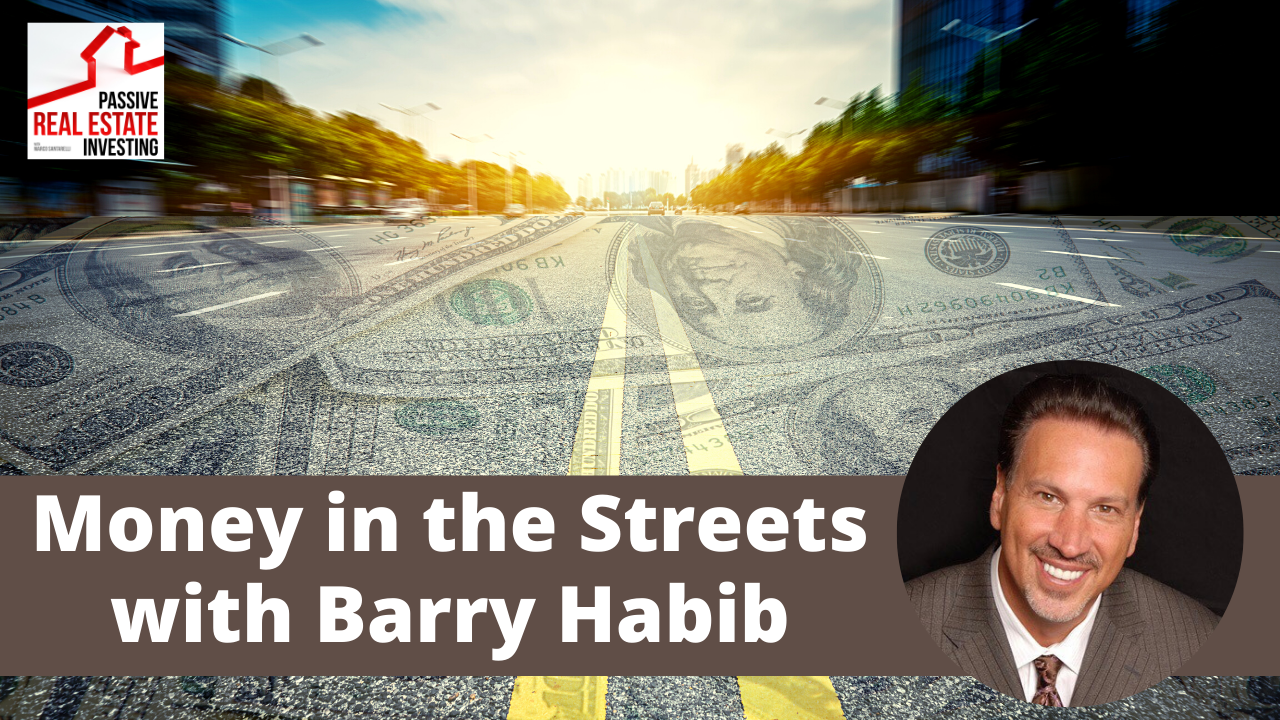
Well, today we have an interesting guest really smart guy who just released an incredible book. And I wasn’t sure what we were going to talk about. I wanted to talk about the book and I just come to realize that this guy is incredibly knowledgeable about the mortgage industry and housing, and in predicting where the housing market is going and he’s in the media all the time, CNBC, wherever else, Fox business. So we ended up talking about the housing market and the future of what’s going on in terms of mortgage financing and real estate, residential real estate, specifically at the beginning of this interview. And then we got into his book, which is amazing because it’s about opportunity where opportunity lies that the fact is opportunities around you all the time. And it’s just a matter of being aware.
And we talked about mindset and trends and his stories are interesting about what inspired him to write the book. He’s very well connected. He’s an amazing individual. I’ve come to really like him, and we’re going to be hanging out together in New York. The next time I’m out there, which is another business venture that I’m involved in related to broadway. I’m going to leave that to the very end of the episode, where we talk a little bit about that I could have gone on for hours with him about every single one of the topics we talked about. So we’re going to talk about real estate trends going on in real estate. We’re going to talk about his book, Money in the Streets and opportunity and mindset. And we’re going to talk about a little bit about Broadway and what he is doing in that. He’s been very successful. So with that, we are going to move on to my guest and I think you’re going to really enjoy the show.
Download your FREE copy of The Ultimate Guide to Passive Real Estate Investing.
If you missed our last episode, be sure to listen to The Lending Landscape Today and Into 2021
Enjoy the show!
– – – – – – – – – – – – – –
Download your FREE copy of: The Ultimate Guide to Passive Real Estate Investing.
Get your FREE coffee mug by leaving us a Rating and Review on iTunes. Here’s how.
See our available Turnkey Cash-Flow Rental Properties.
Please give us a RATING & REVIEW (Thank you!)
SUBSCRIBE on iTunes | Stitcher | Podcast Feed
It’s my pleasure to welcome Barry Habib to the show. Barry is an American entrepreneur and a frequent media resource for his mortgage and housing expertise. He was named the 2019 mortgage professional of the year by national mortgage professional magazine. And he was a 2019 finalist for the prestigious Ernst and Young Entrepreneur of the Year Award, which is amazing. So with that, Barry, welcome to the show.
I really appreciate that. Thanks for having me, Marco.
It’s great having you on. You’re a very interesting guy. I love your new book and I really love what you’ve accomplished. And as we were talking here offline, you’ve told me about some of the other achievements that you’ve had recently. So tell our audience more about you and what you’ve achieved and maybe a little bit about your background and what you actually do.
So you’re very kind. Yeah. I have been named the Top Real Estate Forecast for the year by Zillow and Polson Homes for 2018 and 2020. I was the only one who won that twice and there’s so many wonderful, respected, big names in there. You know, you get Goldman Sachs and Bank of America, Wells Fargo, and many, many, many others. And then there’s a little old me and my team. And we’ve been fortunate and blessed that we’ve been able to come up with good metrics that have been very reliable for forecasting real estate, but we’ve also done a good job in forecasting rates. We received a lot of notoriety for breaking down what’s going on with when the fed was buying too much. I got in front of the fed and explained to them that they were buying too much last March at the end of March of last year and did a whole thing on CNBC and got in front of the fed.
And they kind of calm things down, which people say kind of saved the mortgage and housing industry in 2020, because they didn’t realize what they were doing. They created a lot of margin calls by their over purchases of mortgage backed securities. They had good intentions, but the mechanics and the plumbing are a little bit more complicated than that. And so, yeah, we, we we made some pretty bold calls, talked about the 10 year treasury going to 1% when everybody said it was going to go to five. And this was back when it was a 3% early, 2019. And sure enough, I hit that before the lockdowns and said, we’re going into recession, which we did in February before the lockdowns. And so we’ve been able to use some, I think, important tools to help forecast what to expect. We’ve got some good ideas, I think for 20, 21 as well.
So I like to follow trends. I find that if you follow trends, you can see, and to some degree predict the future. What are the biggest trends that you are seeing right now as it relates to residential real estate investing and investors
I believe in the law of supply and demand is just not enough supply. COVID really knocked down builder’s ability to fill supply, which was already running short. And then when you take a look at the vacancies, vacancies are an all time low and that’s important because people aren’t going to dump homes and then people will say, you know, there’s a lot of folks out there. I don’t know. It’s been always negative on real estate, on CBC. And then you’ve got Adam data and housing wire, and everybody’s worried about things like foreclosures forbearances and affordability, but, you know, forbearance, it was a big tool, but a very small percentage of people took it. And you don’t come out of forbearance with a big bill to pay it kind of rides gently along your first mortgage access, kind of a second mortgage with no payments.
And it just has to be paid when you either refinanced when you sell the home or when the loan matures. So people will be staggered when they are going to be in a position to actually have to come up with those dollars that were in forbearance. And there was going to be some people that are back to work and they’re going to be having submissions. But the reason why that won’t affect real estate, because those numbers are very, very small because unfortunately COVID has disproportionately affected those who are renting. And unless those who are home purchasers who are less than the service sector and can do things like we’re doing right now, Marco. So when we take a look at forbearance, it’s not going to play a big role because people today have equity. Do you know that 97% of people have at least 10% equity and 89% of people have at least 20% equity.
So if you ran into a situation, we could make a payment, just put your house on the market. And they are selling as you know, like hotcakes, multiple offers. So we believe a pretty safe area of real estate. And then once people get the misconception of portability because they think, Oh my gosh, real estate has gone up so much. They look at the median home price and that has gone up 15 and a half percent on existing home. But it will. What that means is that half the homes are purchased above that median home price of 313,000 half below it, because there’s a tremendous lack of inventory and the lower end, the number gets skewed. So it’s not appreciation. It’s simply the median home price, actual appreciation is up 7%. That’s pretty robust. So people are saying, Oh, well, it’s not keeping up with hourly earnings.
Well, you shouldn’t look at our rooms to begin with. We should look at weekly earnings because you could work more or less hours, weekly earnings of 5.9%, pretty significant appreciation of 7. The reason why we don’t worry about that is because you don’t use all of your income to make your mortgage payment. You make a tiny fraction. So real estate values go up or payments go 5%. Your income only has to go up 1% in order to offset the differential. So it’s going up 5.9%. We’re going to be extraordinarily affordable for a very long time.

Yeah. You made a lot of good points. There’s so much there. We could potentially unpack one thing I want to point out before I forget it is this that even though prices have gone up a lot around the country, you know, you’re talking an average of 7% in some markets we’ve seen double digit appreciation rates for two years in a row, which is not sustainable. But the point is, is that interest rates have gone down too. So even though housing in general has gone up, the affordability has also improved. So our mortgage rates are lower mortgage payments, which is how we buy real estate. We pay for real estate based on the monthly payment, not the total purchase price and affordability is improved, you know, compared to last year. So we’re in a better situation and as real estate investors or entrepreneurs, you know, which I know is your background. This is very bullish for us because we have strong demand, lack of supply we’re well-positioned to take advantage of that growth. We have historically low interest rates and you know, real estate was a great investment before, and it’s just a better investment now. And a lot of people don’t see that because they think we’re heading for a crash.
No we’re not heading for a crash. There’s a few things. And yes, while Seattle and Phoenix in Tampa been double digit appreciation rates, they have extraordinarily strong job markets. So because they’re very tech centric, they are going to continue to do well because people could do what we’re doing here. Now, the thing that’s that I don’t think people look at deeply enough is people don’t look at demographics. So what I focus a lot on is taking a look at the median age of a first time home buyer, which today is 33 years old because that’s the engine that first time home buyer buys a home. Then somebody moves up and moves up and moves up. It just starts the thing running. And the first time home buyer, depletes inventory, see if I own a home and I buy a home. Yeah. I take one away, but I sell my home.
So it’s net neutral. As far as inventory goes, the first time home buyer takes one away. Doesn’t put one back and they are buying home specialists and builders are putting them up. So back to demographics, the median age of a first-time home buyer, 33, we go back to 1987 and we look at the birth rates. And what we see is 88, 89 in 90, literally an explosion in the amount of births that occurred from 87 to 88, then to 89, then to 90. And it always stays above. It will never go back below the birth rates. At least they’ll now have 1987. So what you’re going to see in the next three years is enormous demand. And we just don’t have the supply there. So this will be extraordinarily supportive of home prices. When we take a look at the interest rate aspect of it, you know, Janet Yellen now is the treasury secretary, but never met a spending problem.
She didn’t like how the, the Fed,, she wasn’t a great treasury. She wasn’t a great Fed Chair. I don’t know if she’s going to be a great charger secretary, but you’re on Powell is sped chair really wants to get into everything. I mean, really you think about it, see who would butt heads with Steven Mnuchin and the current treasury secretary because John Powell thinks that they’re doing this buying bonds of McDonald’s and Apple, why would the fed have to buy bonds or backs? Apple really suffering. Okay. Have you seen their stock price? And you see how much cash they have, have you seen their earnings? This company does not need federal reserve to be purchasing their bond. So what we have here is we have Steven, Mnuchin kind of at least temporary draw Powell to some degree, but with Janet Yellen, she’s going to be a cheerleader. So that means longer dated maturities continuation to buy mortgage backed securities and equip of $100 billion per month.
So you will continue to see downward pressure on rates and the thing that people don’t understand, Marco people don’t understand how debt works. I hear everybody say all the time, Oh, rates are gonna go up because of the debt side. Yes, the debt is higher. It went from 22 trillion in 2019 to currently 27. After the stimulus, they’ll be 28 trillion. We’ve become immune to the term trolley, right? So just, if you’re listening to this, I’ve got a question for you. If I, to you go ahead and spend a million dollars a day, take a million dollars a day in spending that’s, that’s hard for many of us to do. How many days would it take for you to spend a trillion dollars.
A long, long time, long time!
Would it surprise you if it was 2,700 years, you’d have to have started spending a million dollars a day in 700 BC to spend a trillion dollars. The bottom line is truly, that was a lot of money. So when you talk about $28 trillion in debt that weighs on economic growth, imagine a family who’s got so much debt, but now what they’ve got to do is you gotta make all the monthly payments on that. So they don’t have a lot of discretionary income to create economic activity. It’s the same for governance. Let’s make this clear. We are not printing money. Thank God we are not. We are borrowing it via treasuries, right? By going this, we have to make the payments on those. So that’s why the incentives for the fed to kind of turn Japanese here, become Japanese and monetize the debt because of interest rates go up. It would destroy an already lousy budget that we have in debt to GDP. So what we’re looking at here, we’re looking at a lot of pressure down when our rates, because remember this slower growth, which we will have creates lower inflation as does technology and inflation is the driver of mortgage rates and interest rates in general.
So you look at Germany, we’re negative 60 basis points yield on the 10 year. Boom. People say, why would I want to buy there’s $18 trillion, Marco negative yielding debt, 18 trillion people say, why would you want to go? Because even though you have a negative yield, you’re paying to get that. If yields go even further negative, and that’s what the bet is, you make capital appreciation. So there’s a lot of smart money saying rates will be lower. We agree. We disagree with a lot of the talk right now, the rates are going to go much higher. And I think that can have some blips up here and, and nothing goes on. The straight line stays flat. We think the rates are going to be really good in 20, 20 month as well, real estate.
Yeah. I tend to agree with you. Some of my good friends have actually predicted 2% interest rates, mortgage rates, years ago. I was actually on a panel with Doug Duncan and the chief economist for Fannie Mae about five weeks ago. And one of the things that he’s predicting off the record is essentially that mortgage rates are going to drop a little bit into 2021, not significantly, but enough that it’s still historically low. And so that’s just going to keep real estate and the housing markets around the country humming along. You mentioned negative rates. I just want to say, I mean, Europe has been there for a long time, and we’re now getting into a position here in the U S or in North America where we’re going to start to see negative rates as well.
Well, we might, I’m not a hundred percent sure if we go negative, because it really does put a tremendous amount of pressure on the banking system. And I don’t know if we’d want that, but but there is going to be pressure on the zero bound that’s for sure. And that means there’s a lot of money to be made in the bond market with capital appreciation because of yields are, you know, 92 basis points right now in the tenure that we see that drop to 50 basis points or 40 basis points. You make a lot of money on that.
So I have my own opinion about what might be happening over the next one or two years in terms of foreclosures. What do you see as far as trends in the possibility of a foreclosure opportunity coming over the next 12 to 24 months?
So right now, 0.3% of homes with the mortgage are in foreclosure, but 34% of homes are on free and clear. So the bottom line is this an easy way to look at it is, imagine you look out and you see 500 households, 500 owners, only one of them is currently in foreclosure. Now that’s one too many. We can agree, but it is a very tiny amount. This is not like 2009, where 26% of homes have a value of the home beneath what the mortgage balance was. So we’re in a very different environment, will foreclosures go up slightly. They probably will go up slightly, but it will not be a meaningful difference. We’re not going to see foreclosures rates to 3%. They’re going to remain well beneath 1%. Even with some of the issues that will happen now, as the vaccines get pumped out there, and we start to see supply chain, come back.
Those people will have the ability to more easily repay their mortgage. If they will not have fallen on hard times, could got about 10 million people, more unemployed, receiving unemployment benefits than we typically would. We lost 20,000 jobs. We put 20 millions out of the 10 million back, but that will continue to improve a little bit as it does. It will take away any kind of burden on additional foreclosures. But here’s the thing is that it won’t adversely affect the housing market because unfortunately, if somebody does go into foreclosure, which they won’t, because they’ve got equity to protect, remember when they’ll put their home on the market, it’ll sell very, very quickly. So there’s not going to be any negative turbulence that the real estate market will have to endure. We are in 4, 6% appreciation. And remember, Marco, if you put 10% down on a home, you get 6% appreciation. You made 60% on your money,
Right? Yup. Power of leverage and real estate is a beautiful thing. And it’s especially a, one of the most tax efficient investments out there. So you’re clearly bullish about real estate going forward in terms of the housing market, strong demand, lack of supply mortgage rates, staying low, possibly even going lower. Are there any headwinds that we should be aware of in the next year or two? Because I mean, we can’t just be talking about, you know, candy and roses here.
Well, under the Biden administration, you’re going to get more of a CFPB, the Consumer Financial Protection Bureau, which is going to look like it did under Obama. So that means additional costs for the consumer additional time drain and a little bit stricter guidelines. So people will get crowded out of the housing market just because regulation will increase. And that will temper some of the gains that you’ll see in real estate. The tax laws can be something that if the GOP retains control of the Senate, then there’s some insulation there. But I do think you probably see the tax bracket go in either case from 37 to 39.6, but it won’t go to the 44.8 that was proposed in Biden’s plan. Now, if the Senate goes blue, then you may have a few other things. You’ll probably have the estate tax drop from what will be 11.7 million from 11.5 and change now in 2021 to probably in 2022 being somewhere in the range of five and a half million, the other big one, the big, big, big, big, big bonanza here that would hurt the markets that would hurt everything is if the capital gains tax goes to the income tax rate, if you’re over 400,000 in income with five and wants to do advanced really ill-advised, you know, it’s remember that people think capital gains is 20% no.
Under the Obama plan, if you make more than $200,000, it’s 23.8%. But even at 23.8%, if we went to 44.8%, that’s a 21% increase in tax that will seize up the credit markets. It’ll seize up much of the housing market, because that’s going to be a tough one to put together because you might say, well, why would I want to do this and pay this enormous tax bill with all the appreciation, slow turnover of property. Yeah. And of course the stock market, you can guess probably won’t like that. And what you may see in the stock market is potentially a meaningful decline, which really affects everyone’s wealth effect and what they want to do. I mean, what the fed is trying to do is create a wealth effect, right? But this would kind of work adversely.
Yeah. The quickest way to kill the housing market is to tighten up or dry up the credit markets, our society, our economy functions on credit period.
It’s the lifeblood.
It is the lifeblood. So we’re going to keep printing to infinity. Unfortunately.
We don’t know what the results of is, are going to be Marco, you know, because it’s an untried experiment. But if we look at Japan, we’re saying, Oh, we like vapers and turning Japanese here. The monetization of debt has resulted in extraordinarily slow growth. They can’t get inflation there, no matter how hard they try. So it it’s slow growth, but it’s low interest rates and real estate is a good place to be. Absolutely. I firmly believe that also, by the way, you know, gold, Bitcoin, silver as the currency continues to debates.
Yeah. Bitcoin has been very strong lately. Precious metals have been very strong over the last year, too. Yeah, absolutely. The only problem with those assets or asset classes, if you will, is they don’t generate income. You could argue they’re truly not investments because they’re not creating cashflow and they’re not paying for themselves. They’re just speculative. They go up and they go down.
But that’s a great way to hedge against what’s being done to debase the currency, you know, gold right now. You know, if it is between 1,719 hundreds, the trading range it’s in a break above 1900 would be very, very, very bullish for gold. And then prices will go up very much. So. Yeah. But do you agree with me in the terms of them being
They don’t generate a return. Correct. You know, they don’t have a yield, they don’t have a return per se, but it’s kind of analogous to purchasing a stock. That’s a growth stock that doesn’t offer dividends. You know, you’re, you’re not getting dividends, but it’s just capital appreciation or capital loss, you know, rather than betting making your bet on what the company’s performance would be. You’re making the bet here on the debasement of the currency and given the level of debt and given the feds, you know, now make up with Janet Yellen. As far as the treasury secretary of Jerome Powell’s the fed chair, it seems to me that a debasement of our currency is going to be in the cards for quite a while. Now that can be dangerous. Could you import inflation with that? But then all the other countries are also trying to race the zero anyway, a race, the race to the bottom. So that should be offset to some degree, but you know, this does bode well for those hedges against currency. Debasement like Bitcoin, like like, like silver.

Yeah, I think you and I are pretty much of the same mind when it comes to that just before we get off the whole topic of real estate, if you given everything we’ve talked about, and obviously we could talk about this for hours given what’s going on and what may potentially happen in the new year with, you know, with the Biden administration, et cetera, et cetera. If you were looking to invest in real estate right now, or you are investing, and you’re wondering whether you should pump the brakes double down or something else, what would you be doing in your opinion?
I cautiously accelerates, you know, I wouldn’t be reckless about it. You want to try and get a good deal, but I wouldn’t be a buyer. I am a buyer of real estate. Now just this purchase them home. Now I don’t have an expertise in the commercial. And although I be dipping my toe into that area, it’s more complicated and it’s a different animal. And you have to be careful with multi-family residential because those people have been affected more by COVID. I’d want to wait to see after we get herd immunity and vaccination as jobs come back as that second starts to get healthier. I’d want to wait for that and be patient, you know, you might have to wait eight or 10 months to see how that starts to look. I don’t think I’d be rushing to that, but there are some very good commercial properties.
You know, I liked stuff that like real estate on the supermarket or something like that, where you’ve got multi multi-year leases and listen, you know, make a fortune, but there are tax advantages and depreciation and, you know, there’s things that you’re able to do to make that really work in your favor. I like those types of investments with regards to residential real estate. I think if you’re buying a home or second home, this is a really good time to even think about it. And if you have to pony up and pay a little over asking price in order to win the deal, get your arms around that too, because that’s probably not a bad decision. Again, everything has to be evaluated. You want to look at what is the appreciation look like in my area? No, that single families are going to appreciate at a much faster clip than condos are. So please take the consideration
Very, very well said. There was a lot of gold nuggets in there. I think I’m going to pull some of that out and start tweeting it on social media. That was really well said, well, let’s transition. I mean, you and I could talk about real estate for hours, but I just got my hands on your recent, newly released book called Money in the Streets. I just started reading it last night. The cover is fantastic by the way. So I read the intro. I started reading, you know, the first chapter and I read the book summary as well. And it’s just a fascinating book. So first of all, share with us. I mean, you’re talking to 70,000 people listening to this show, talk about what the book’s about and then share what inspired you to write this book, because I love the journey that you’re starting to talk about it. Yeah.
Thankfully, thank God. It has been a, it’s been such a blessing of so many people. I mean, the reviews on the book are through the roof and it actually hit number one on Amazon’s bestseller list. Which to me, I’d say what I actually got emotional Marco. When I saw that I would never imagine that would have happened. So the book is really getting a lot of, a lot of momentum and it’s a pass on, but people say, no, no, you got to get this because it really helped me all the, all the social media stuff. That’s out there, Tony Robbins, as a matter of fact, he liked it so much and he doesn’t do this. He put a whole video. If you look on his page, he does a whole video about how you need to have this book. So the book really Marco will help you.
If you’re struggling, we all suffer. I suffer, we all suffer. Okay. We all go through some tough times. It will help you get through that, get through quicker. And here’s the other thing that we don’t think about when things are going our way, when you have a tailwind, what we really have to do is figure out a way to maximize that. We don’t often think about that and this book will help you to think differently to maximize that. And then the other thing it will help you do. And this was the inspiration for the title of the book. And the name of the book is that there is Money in the Streets, meaning there’s opportunity everywhere that people are just walking by. And that’s not the cover of the book. You see the money all over. People just oblivious and passing it by now. My parents were immigrants. I’m first generation here. And my, they were a lot older when I was born. I was definitely the, you know, surprised, the mistake. And, and there’s a lot of stories in the book. I was actually up for grabs even before I was born. But I think that you will, you’ll find a lot now while there’s some of my stories here, it’s not at all about me, but it’s through me. It’s things that you can relate to. And when my dad was 57, when I was born, my mom was 40. So fortunately I made it get this Marco. I snuck in there right before birth control was available and as well as is becoming legal. So man, I threaded the needle. I I was able to kind of sneak in there. So this is all bonus time for me, Marco. So I just want to do as much good as I possibly can with respect to the name of the book. As every immigrant who’s out there or child of an immigrant can relate to people, hear about America and how it’s such a great country.
And there’s gold in the streets. There’s money in the streets they say, America is such a rich country. There’s money in it’s. All you gotta do is bend down and pick it up. And when I was a little boy, my mom would tell me this story. You know, my dad passed away and I was really young. My mom would say, you know, and she’d laughed. But it was also sad that the America that they came to was an awful lot harder than they actually thought it would be because my dad had to work in a hot dog stand. My mom worked in a sweatshop making dresses. They barely made ends meet, tiny little apartment in Brooklyn, New York. So as I discovered that there truly is opportunity everywhere that all you have to do is look at it differently, know how to pick it up and do good with it for others, that there really is money in the streets.
And I remember sitting down with my mom before she passed and I said, you know what I mean? You were right. There really is money in the streets. All you have to do is look for it a little differently and pick it up and do good with it. And there’s plenty of it there. And yeah, that was kind of the inspiration for, from, for the title of the book, Marco. Cause I wanted everybody to understand and see that we all have so much opportunity and that’s not the thing that, what, what holds us back isn’t that nobody gives us the opportunity. What holds us back because we don’t see the opportunity that are right out there in front of us. It’s such a different way of living. If you just see opportunity differently,
I completely agree with you. And it was a brilliant idea for a book. There’s a lot of books out there about, you know, positive mental attitude and goal setting and this and that. But if you really work your way back in that chain, it’s really about being aware of what’s around you and seeing opportunities. I like to say there’s three kinds of people in the world. There’s people who make things happen. People who watch things happen. And then there’s those people who wonder what happened, right? And unfortunately, most people fall into that third category most of the time, not all of the time and they’re oblivious to the opportunities around. So I love this book. I think it’s timely and it’s a great subject. So what’s the biggest takeaway of the book?
Marco, there’s so much whether it’s look overcoming intimidation, overcoming fear, overcoming adversity, what is the mindset that you need to have? What do you look at as far as how you can see things differently? And you know, you mentioned kind of reverse engineer. There’s a whole chapter on reverse engineering and just treating your tasks and your goals like a GPS and putting your destiny. But then it’s got a map backwards and reverse engineer. So we talk about that and we get specific on how to achieve levels of success. But, you know, Mark, there’s so many things, I guess one of the things that’s kind of interesting is just the focus. You know, I’ve been very blessed that so many really brilliant people helped to mentor me and teach me so much. And I thought I had the right focus. And what was open to me was that we really need to change the way we look. It’s gotta be a lot bigger. You know, we get busy and even if we’re successful, our success hurts us. Look, McDonald’s in 1955 was a great burger shop and those guys were so freaking busy. It was unbelievable. Now many people when they get that busy and they’re presented with sort of, Oh, I’m too busy, I’m too busy. They’re too busy. And what happens is, is that we miss the opportunity, you see those guys had a successful business, what they decided to do is think bigger and grow. And what they did was they said, look, we don’t have the bandwidth just us. So what we want to do is hire others and put other things in place and build systems. The fact that we’re doing well, let’s use that money, plow it back into growth and resources.
And that’s how you get really big. So if they didn’t do that, they just be still like they were in 1955 in San Bernardino, California, a really good burger shop. So what we have to think of, do we want a good burger shop or do we want to build an empire? And if you start focusing that way and you know, Mark, I love cars. I love to drive on the track, but I’m always in learn mode. So I usually go out with the professional drivers. There’s an instructor just because I want to sharpen skills and get better. And he taught me this wonderful lesson. I want to share with everyone here that isn’t about driving. It’s about focus. And he says, you know, Barry says, I noticed you like so many people when you’re driving, you’re looking counted about the car in front of you. And it was like, okay, well, that’s kind of like the way we were taught, you know? And I bet you, if you catch yourself, that’s what you look at is you shouldn’t do that. You really need to look down the road and your focus should be down the road. And he did something really interesting. He took a bottle of water
And he said, get out of the car. He put the bottle of water about 20 feet in front of me. And he says, okay, look at the bottle of water. And he says, can you read the sign? I said, no, I can’t. This is okay. Look at the sign. Can you still see the bottle of water? I said, yes, I can. You said that you do that. You’ll be so much of a better driver. Cause you’ll see everything coming at. You you’ll see all the good stuff. You’ll see all the stuff that you should be worried about, but we’re too busy looking at this. So I took it to the next level. And I said, yeah, if you do that while you’re driving, you’ll be a better driver. But man, if you do that in life, you can’t help, but be much more successful. So really it’s just about that focus about seeing the much bigger picture about not being too afraid to take that step, not know to really learn, to trust your gut, to do the things Marco that can create generational wealth and happiness. And remember, it’s not all about money because there’s so many really, really unhappy, very wealthy people out there. Right? And I believe, I believe it’s because they don’t have something called fulfillment.
So fulfillment often comes from helping. Others are doing good for others or just, just feeling a sense that you’re doing the right thing you’re doing in the world. You’re adding something that’s good. And I believe that by having that fulfillment along with the goals that you need to set, you know, that’s how we can approach this thing called happiness. You know, if I were to define happiness in a word Marco, I call it progress, you know, maybe maybe I want it to lose 10 pounds and I’m not quite there yet. But if I lost four, I’m not to my goal, but you know what? I’m happy. I’m feeling happy. So life is like that. If we constantly set things up to give us the ability to continue to make progress, not play defense. Remember in baseball, you only score when you’re on offense, you have to play.
You have to play good. But so many of us go through like Marco, just playing defense, just doing what’s thrown out a sweat. What we have to do is to, you know, look I cook and you lists for everything. And every single day I go through my list because that makes me stay on offense. Now I’m not going to accomplish everything every day, but I need to be moving forward with what my goals are, what my objectives are. I need to dictate the pace as opposed to being dictated to. Now, a lot of times I got to play defense. I got to do the right thing. I’ll follow up, but I want to stay on my path to reach my goals. And I want to be in charge of that.
Yeah. Well said, I think playing defensively just keeps you where you’re at and prevents you from losing ground, but it doesn’t allow you to gain ground. That’s the whole idea of playing offensively is you can’t move forward and progress unless you’re playing offensively. I think the playing defensively comes from a scarcity mindset. You know, at least that’s my take on it. So you have to be defensive to protect you and your family and what you have. But at the same time, if you want to get ahead in life, you have to be offensive.
I could not agree more with you. Beautiful. Couldn’t couldn’t agree more.

Well that’s good. And the conversation. Okay. So basically the book is called Money in the Streets, which basically is saying that there is opportunity everywhere. Unfortunately, most people, most of the time are not walking around life with their eyes wide open. They’re not aware of what is out there. So is this something that you can train and learn?
Absolutely. Oh yeah. Yes. Looking at things differently. And the opportunities, you know just one quick story here, because people would be like stories. And this is in the book where, when I, as a young man, you know, I still make mistakes. But as a young man, I guess I may be even more well when I was 26 years old, I was married and I was blessed with the birth of twins. They were two months old and me, this young guy, I said, okay, well, I’m going to, I’m going to go out and start a new business in the mortgage. That is a new, a new lot of work. So yeah, I didn’t realize how tough it would be. And when people were turning me down, nobody wants to do business with me. I could have thrown the talent, but you know what?
I understood that failure was not an option. So I looked at different ways to do it. And I said, you know, people who are not real estate agents, but can refer me business, are people talk to anyone out there because people know if they’re buying homes or if they need to refinance. So I said, why don’t I take anyone I’m giving money to it gives me a captive audience. My dentist, my landscaper, my hair, or the pizza shop person, you know, whatever it was. They have to listen to me while I’m paying them. So why not tell them what I did? And I took that to an extreme and helped me become the top mortgage professional in the United States in the early nineties. But when in, when I would go up and down the roads of New Jersey, every toll booth, you can either put in at the time you didn’t have the devices.
So a 25 cents was what it wasn’t a basket. If you had exact change and you’d go more quickly or you go to whether it’s a toll collector, you gave him a dollar and he gave you the change. Right? I had the 25 cents, but I wanted to make sure that I used that opportunity to speak to someone else. And then as I pass for those few seconds, I would hand them the 25 cents and my business card and said, Hey, if I could save you a lot of money on a refinance or help you buy that new home, please give me a call. God, my friends would give me so much crap because it made our trips longer in New Jersey. There’s a lot of tolls until one day, a guy by the name of Steve Horton from the Triborough bridge and tunnel authority called me. And guess what?
I did his refinance, but then I did 17 of his co-workers. Now I will promise you that I was not the only person in the mortgage business going up and down the roads of New Jersey, but by looking at things differently. And that’s just one tiny example of how you can see opportunities. One more quick one. When I had rock of ages and I produced Rock of Ages, it’s 27 longest running show in Broadway history. I would look at people, come into the theater and they would wait online to get a drink. It’s New York city. Sometimes they’re late. The drinks expensive. They spend $18. They get this adult beverage and then the lights would go when you have to get to your seat. Cause the show’s about to begin, but you were not allowed to bring drinks into the theater. So what did they do? They had to guzzle them or not finished them and not have a good feeling.
I didn’t want that. So I became, I had a lot of fights, a lot of discussions with unions, theater owners, but I was the first show in the history of Broadway to allow drinking in the seats. And now that all do them. So it, it, it created a buzz in Rock of Ages that made it a great atmosphere. Great show to go to. So when we look at these things, this is just a little bit, a bit of a different way to approach things. So I had a medical imaging business. I started and I would see people who would get scans and I’ve had scans. Yes. And you get the tech there, they see what’s going on. They know what’s going on, but they can’t talk to you. They can’t tell you anything. So your anxiety makes it so much worse and you suffered and peace of mind is so valuable.
So I was like, why do we have to do this? And make people wait three or four days, I used to talk to their doctor. I had a radiologist on-site. So by the time you were dressed, you go to a nice room. He’ll tell you either great news and you walk out like this or he’ll tell you, listen, it’s not what we want, but here’s our, our plan. And now that’s a lot better than the anxiety and yeah, your mind, it may not be perfect, but at least you now can make progress. Right? Well, the wonderful thing about that is that that concept became great. We opened those up in the Baltimore area, built it into three different offices and then sold that business. So what I’m trying to say is that anytime you see a point of friction and there’s so many other stories about this, how can you alleviate it?
What can you do? Bring out that entrepreneurial spirit in yourself and don’t talk yourself out of it. If you think it’s a great idea, just research it and do it, do it.
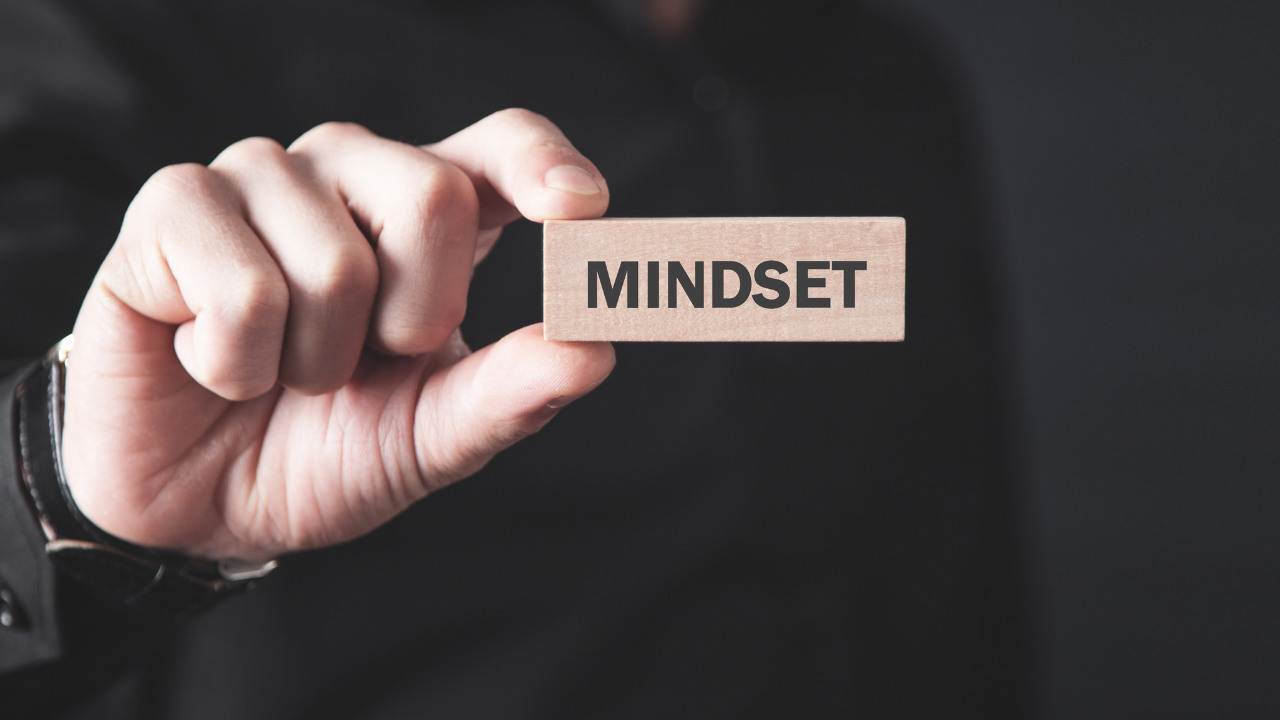
I agree in a lot of what you’re talking about. I think his mindset, people hold themselves back. Let’s kind of wrap up this piece of this episode with mindset. You know, the thing is, is we go through life, bad things will happen life, you know, throws curve balls at you all the time. But the one thing you can control is your mind and what your thoughts. Right? So maybe comment on that. Cause I know you talk about this in the book, even though I haven’t finished reading it.
Yeah. The first chapter is about mindset. I mean, really mindset is everything you, you, you get to choose. So I had a lot of unfortunate circumstances that occurred to me and I can choose to be miserable for them when I could choose that play more. What I can choose is I can choose to understand that these are random events, that the most random event that will ever happen in your life is being born. You don’t know the year. You don’t know the family. You don’t know if you’re wealthy. You don’t know if you’re poor, you don’t, if you’re ugly, you don’t have, you’re beautiful. You have no idea what is in store for you. It is the most random thing that will ever happen to you. So as events occur to you really need to take blame for a lot of them. Some of them that we don’t, some of them are just because we don’t understand the other person’s side of it.
So we talk about that and look, one big thing for me. One big thing for me, this is, I think this is the biggest takeaway gratitude. Now I wake up every morning and I have a little coffee I’d like to get started, but then I literally say out loud, all of the things that I’m grateful for and that sets your mind up to say, wow, you know, I have all of these amazing, amazing, amazing things. And thank you. Thank you for that. I’m so grateful for being able to be in this position, whether it’s tangible or intangible, maybe it’s the love of someone, respect of someone, whatever it is, there’s so much, you know, if you took all your problems and said, okay, you know, are there people there that would take these so many people would love to have your setup, right? So we have to just think about that.
Now, when we look at putting ourselves in that mindset, that beautiful mindset, and this is something that Tony Robbins is a dear, dear friend taught me, is that even when things go wrong, you can better handle it. He has something called the 92nd rule, which I employ. And I think it’s one of the greatest things as a takeaway for you all, you’re going to get off, right? Somebody is going to do something to cut you off on the road. They’re going to say something where all the good you’re going to get off. So here’s the deal. It’s okay. You’re human get off for 90 seconds. But then after that snap, back into that beautiful mindset, because here’s why don’t let that person or that incident steal your joy. And it’s not just your joy and we only have one life. So you want to be able to enjoy as much as possible because it’s a lot better when you’re happy. And the other aspect is the joy you can bring to others when you’re in that bad mindset that you can’t as easily, or maybe it’s impossible to bring joy to others, you need to be in that great mindset and then so much joy to bring to others. And that’s what gives us the fulfillment that rounds the whole thing out. So yeah, I, I think that mindset is everything.
So, you know, if I may just add to that real quick, I personally believe that you’re always going to bring someone up or someone down your attitude is like an energy field that you can’t see when you’re around other people, you’re either going to help them and bring them up or lift them up or you’re going to bring them down. And that’s your choice. You know, you, you can have be having a miserable day, but do you want to affect someone that way as well? Or do you want to help lift them up? So that was beautiful.
90 seconds, Marco, give yourself 90 seconds and just snap out of it after that and get back out there and do good. You know, I love what you said. I really do. When we take a look at how many people, we can really change their life and make it make a difference for.
I started a gratitude journal and then I kind of fell off the wagon, you know, where you’d write it in every morning, something at least one thing that you’re grateful for. And it’s a great exercise. I think anybody, everybody should be doing it. But for some reason I kind of fell off that habit.
Well, for me, it’s easy. I just say it every single morning, I repeat all the same things and whatever is new, whatever it is that definitely puts you in a different state. You definitely are going to be a happier person. I promise you. I mean, you see what you want to see if I put you in a room. If I said, okay, look around this room and look at all the different colors. Now, if I call it out a color, I says, okay, look out red. Okay. You will see all the things that are red in that room. Okay? You see what you focus on. You see what you want to see. You want to see optimism is a very common trait among successful people. And that they’re optimistic. They’re optimistic. That is one of the keys. And by the way, you mentioned something before about drawing people to you.
Here’s the secret to being magnetic. You ever meet somebody and say, man, there’s so many, really got some charisma. How do I, how do I get some of that? Right. So easy. Everybody would come into contact with, make them feel better and make them smarter. Now, how do you do that? You can’t give what you don’t have. So to make them feel better, you just need a good positive attitude. You just need an attitude that you’re grateful for. What’s going on. And that just kind of emits. And then don’t be afraid to give people credit. And then what you also need to be discovering is that while you’re going to have that good nature and kindness, you have to give them something of value. So what are you doing every day to sharpen your skills, to be smarter, to be better? Well, obviously I’m preaching to the choir here because these are listeners that you have because these people have decided they want to make themselves better. So if you continue to have that mindset, then don’t just make yourself better for you, make yourself better. So you can teach others, which is by the way, the best way to learn as well. And as you get into situations where those opportunities allow you to add value to people and help them because you’ve gained expertise and knowledge, as well as lift them up, you’re going to become very, very magnetic.
Great. I love what you talk about. I love your journey. I love your book. I love a lot of things that you’re doing. There’s one last thing I want to talk about here for two minutes and something I didn’t know about you until just recently, which is yet another thing of many things that you and I share in common, and that is your love of Broadway. So I know you produced a Rock of Ages and I also happen to know what your second favorite show is after Rock of Ages, which happens to be my partner, who I am. Co-Producing a Broadway musical with. We were until COVID came along and then it just got tabled. So share your how did you get involved in Broadway? Let’s start with that. And what led to lead producing Rock of Ages.
So I had my own show on CNBC for 13 years, and I still make appearances there and Fox from time to time. So that created, I guess, you know, when I was a little younger, I was nicer looking maybe, and the 71 put me in a movie. So I said, Oh man, this is going to be ragged up as a big movie career. Right? So, but I was in actually nine movies with speaking roles, as well as a movie called Barry Munday that I made the trailer of, the guy who wrote and directed Barry Munday, Chris DiRenzo, you know, friendly person again, seeing opportunities that don’t right. So, so I go out of my way to talk to me, why go out of my way to be interested in them and discuss things with them. And he brought up the opportunity of Rock of Ages.
That was just a scrub. I looked at it, I read it, I read it again. I loved it. I loved it, got four other guys. We took a chance and we put it off Broadway because we believed in, we were optimistic. We trusted our gut and our hearts because everybody said you’re brick and nuts and stupid investment. Well, then we really made a very daring investment because it was such a hit off broad. We took it on Broadway, which is an enormous amount of risk and money and a jukebox musical with a hairband that doesn’t take itself seriously. I mean, this is something that we thought the critics might kill us. The theater owner was already shopping for the next show to come in before we opened, because they thought we would not run six weeks while we wound up running six years. And then we came up for another run on pro, during Korea and London and touring the US and Australia.
And I don’t know, there’s a few other ones in Toronto, but it became, you know, a big movie. I was going to go get better record producer, but Rock of Ages is a real blessing. And it’s because again, trusted my gut it’s because I just looked at opportunities and try to be magnetic with people and help them by giving, you know, we built our lifestyle relationship, right? And most people look in a relationship. And the first thing to do is they ask, okay, I think if the first day of you in a relationship is you give and you offer and don’t even expect anything in return. Your life is going to be different. It’s just amazing. What happens wherever you go, you have friends, you get treated special people with you. Everybody looks at you as who is that person that gets this extra love and attention.
So focus on that, do that. What are you doing to give, you know, wherever I live, I bring the police department, you know, for the holidays, big, wonderful spread of food. It’s not going to cost a fortune. They just want somebody to say, Hey, you know what? We appreciate you. Thank you for what you’re doing. These are the types of things that build relationships, start in, whatever it is by giving. If you have something that you can give to someone, it could be time, whatever it is, build that relationship by offering something that could be good for them. And then don’t even look for something returned. But I promise you, oh boy, you will be treated this there’s no explanation.
Brilliant. I can tell you’re full of gratitude. I love it. I love that. You’re a giver and what you’ve done is amazing. So let’s just wrap it up here. I’m going to recommend that everybody pick up your book, Money in the Streets. I think it’s just phenomenal. I’m excited to get through it and finish it up here. As soon as possible. Barry, do me a favor, tell my audience where they can find you or reach out to you or get your book.
So social media is really easy. The books on Amazon and the books also Barnes and Noble. I actually recorded in my voice a little home, cooked the audible version of it. You know, sometimes it gets burned around the edges, you know, cause some crickets, I’m not a professional book reader, but I, I wanted it in my voice because I wanted the feeling to come through. That’s supposed to be released at the end of this month on Audible, but it’s on Kindle too so easy. And you can find me on social media.
Well, I’m going to put all that in the show notes. It’ll make it easy for people to click through and find you any last words for my audience, Barry.
Hey, listen. Just be safe, be healthy, be kind to other people. God bless you guys. I wish you just a wonderful end of this year and just amazing 2021.
Cool. Thanks for coming on Barry. I really appreciate it.
Well, that’s it for today’s episode, remember to download your free report, the ultimate guide to passive real estate investing. You can find that on our websites at passiverealestateinvesting.com or our main website, noradarealestate.com. Get your free strategy session with one of our investment counselors. If you are thinking about investing in real estate or you plan to invest in real estate or expand your portfolio, there is no cost, no obligation. Our job is to educate you and hold you by the hand and guide you along. And if we can help you great, if not, at least we’ll point you in the right direction. If you have questions about real estate investing, just go to askmarco.com or to the home of our podcast at passiverealestateinvesting.com. And we can hopefully answer your question. We get a lot of them and I try to batch them together into common questions. So I answered them that way. If you haven’t subscribed, remember to subscribe, click that subscribe button. So you are made aware of new episodes every single week, help us spread the word, share this show with your friends, family, and other like-minded individuals. That is it for today. Thank you for listening. And we will see you on our next episode.
Download your FREE copy of: The Ultimate Guide to Passive Real Estate Investing.
Get your FREE coffee mug by leaving us a Rating and Review on iTunes. Here’s how.
See our available Turnkey Cash-Flow Rental Properties.
Please give us a RATING & REVIEW (Thank you!)