
Well, I have a very special guest for you today. Someone who I’ve been actually following for a few years, I am absolutely impressed with his teachings and how much he is giving back to people in teaching them how they can become a better person through a better brain, which is very fascinating to me. So some of you might know who he is. His name is Jim Kwik. He is considered the world’s number one brain coach. He is literally a world-renowned expert in memory improvement, brain optimization. That’s a mouthful and accelerated learning, and it is my honor to bring him onto the show. So Jim, welcome to the show.
Marco, thank you for having me and thank you everyone who is listening.
Download your FREE copy of The Ultimate Guide to Passive Real Estate Investing.
If you missed our last episode, be sure to listen to Market Insights and Opportunities
Enjoy the show!
– – – – – – – – – – – – – –
Download your FREE copy of: The Ultimate Guide to Passive Real Estate Investing.
Get your FREE coffee mug by leaving us a Rating and Review on iTunes. Here’s how.
See our available Turnkey Cash-Flow Rental Properties.
Please give us a RATING & REVIEW (Thank you!)
SUBSCRIBE on iTunes | Stitcher | Podcast Feed
Well, I’m glad I finally got you booked cause we’ve had to rebook and I actually first approached you about it last over a year ago at the Inc 5,000 event that we were named thankfully and graciously, you know, to be on that list. But I thought what you teach is just perfect for my audience. Cause I always talk to my audience about being a perpetual student. Never stop learning, educate yourself. In fact, that’s my number one rule of successful real estate investing is to educate yourself, but it’s hard to educate yourself unless you’re a good learner, if you will, and you probably have better words for it than I. So why don’t we start off with just a brief intro on who you are, because I know you have a fantastic story, but I don’t know if we’re going to be able to fit everything I want to cover into a 30-minute episode here.
Yeah, no, I hear you and congratulations again at the incorrect condition at that event. When I’m speaking on stages, I’ll do these demonstrations, even in the breakout session of that, that gathering, um, where I’ll have, uh, 50 people in the audience stand up and I’ll memorize their names or an audience will give me a hundred words or a hundred numbers and I’ll recall them forwards and then backwards. But I always tell people, I don’t do this to impress you. I really do this to express to everyone what’s possible because the truth is every single person who’s listening to. This could do that in a lot more. And they’re probably thinking, no, I’m too old. I’m not smart enough. You know, I didn’t do well in school or whatever it is, but the truth is we just weren’t taught. If anything, we were taught a lie. And for me lies stand from me, do as a lumber of acronyms, I tend to obliterate a lot to make it very memorable. A LIE stands for a Limited Idea Entertain, limited idea entertain. So it’s not true that you’re not smart enough and that you’re too old or you’re not capable of it. It’s just, we weren’t taught how to do these things. Cool. Taught us what to learn, what to focus on, what to remember, but not what were the classes on how to learn, how to focus, how to remember. And the reason why I noticed this is possible is because I grew up with some pretty severe learning challenges. When I was five years old, I had a traumatic brain injury, very bad fall. And I had learning issues, focusing issues, poor memory took an extra three years to learn how to read when I was nine, the teacher pointed to me in front of a whole class and said, that’s the boy with the broken brain. And that label became my limit. And it’s interesting. You know, my teachers would have been surprised if I would have wrote a book, you know, read a book much less wrote a book. And, um, you know, when the title of my book limitless, when it came out this year, it was, um, in New York Times Bestseller, number one Wall Street Journal. And people are like, is it about being perfect? And I was like, no limit list is not about being perfect. It’s about progressing and advancing beyond what you believe is possible. I think all your listeners, we create these unconscious limits that, that constrain us in terms of our income or our impact or intelligence. And so I, my nature, the nature of my work is really showing people how to unlock the most important super power, which is learning how to learn.
Well, that’s a great lead-in, into the book. The book is called Limitless: Upgrade Your Brain, Learn Anything Faster, and Unlock Your Exceptional Life, which is a perfect title. And it is a great read. So I highly recommend the book to anybody listening to this because it’s really about building a better brain. At least that’s how I summarize it. Right? One of the things that’s very interesting in the book, he, I call it the 3M or you call it the limitless model. Can you just touch on that for a minute? Just so people have some context here and then I’m going to talk about certain pieces in the book that I think are pretty interesting.
That’s perfect. So the limitless model is a framework for non-league celebrated learning. If you want to read faster, remember names, learn a language, you know, um, for, for people, um, want to be able to memorize facts and figures, um, to be able to be a better salesperson, to be able to, um, to be able to level up your learning, to level up your life. There’s a three-part framework. And I call it the limitless model. And basically what I want everyone to do is let’s, let’s turn this into a little masterclass. Um, so it’s very practical. I want everyone to think about an area of your life, where you feel limited, where is it in a relationship? Is it your income? Is your impact? Is it in your reading speed? Is it in your career in relate in your physical health? Where do you feel like you’re not making progress and where do you feel like you’re in a box?
You know, and then that box by definition is three dimensional. And there are three forces that keep you in that box, but these are the same three forces that will liberate you out of that box. And those are the three M’s. And so when everybody, if you can grab a piece of paper, if you’re not driving or working out, or just imagine this, imagine a Venn diagram, three intersecting circles kind of like Mickey mouse, where the two years intersecting with sacked all three, the last one that faced the blast is the last M is, are the methods. And primarily this book limitless was all book on methodology. How to read three times faster, how to, you know, be able to remember sales scripts, give a Ted talk from memory, how to focus and concentrate when you’re working remotely out of one of the best brain foods, all the methods.
And then I said, before I sent it to my publisher, I said, will a hundred percent of the people get the results they’re hoping for if they read this book. And my honest answer was no, because you need these two other elements first. So the first M the first circle is your Mindset. Now, your mindset or the set of assumptions and attitudes you have about something, your attitudes or assumptions about the economy, about your market, your attitudes, assumptions about, you know, your, about money, about, about yourself. Even, you know, what you would, would fall in that circle or things like, what do you believe is possible? What you believe you’re capable of? Cause you can believe well, well, you know, this person can be successful, but you don’t might not believe it’s possible for you. Um, what you believe you deserve. And so I believe that the goal here is that we are thermostats. We’re not thermometers. I like a thermometer reacts to the environment and, uh, can, you know, and every, we react to the economy and racked up, people treat us. We act to a weather, but thermostat doesn’t react to the environment environment, but it sets a temperature. It sets a vision, it sets a goal and the environment reacts to it. So what what’s your setting at? And so that’s our mindset because I could teach someone a method. Like I think the number one business had to get skill networking there is, is remembering people’s names. Exactly, exactly. How are you going to show somebody already care for their future, their family, their home, their finances, anything, if you don’t care enough, just to remember that, right? People don’t care how much, you know, until they know how much you care. And so let’s say you learn a strategy.
You read, you know, limitless, how to remember names, but your mindset is, Oh, I have a horrible memory or I’m too stupid. I’m too old. And you’re still going to be stuck in that box because all behavior is belief driven. You know, your brain is like a supercomputer and your self-talk is a program that will run. So we tell yourself I’m not good at remembering names. You will not remember the name of the next person you meet because you programmed a supercomputer not to. So people come to me and say, at events like where we met, say I have a horrible memory. I’m like, and I was say, stop. If you fight for your limits, you get to keep them. If you fight your limitations, they’re yours, right? But you can have a limitless mindset and believe everything is possible and you’re capable of it and you deserve it.
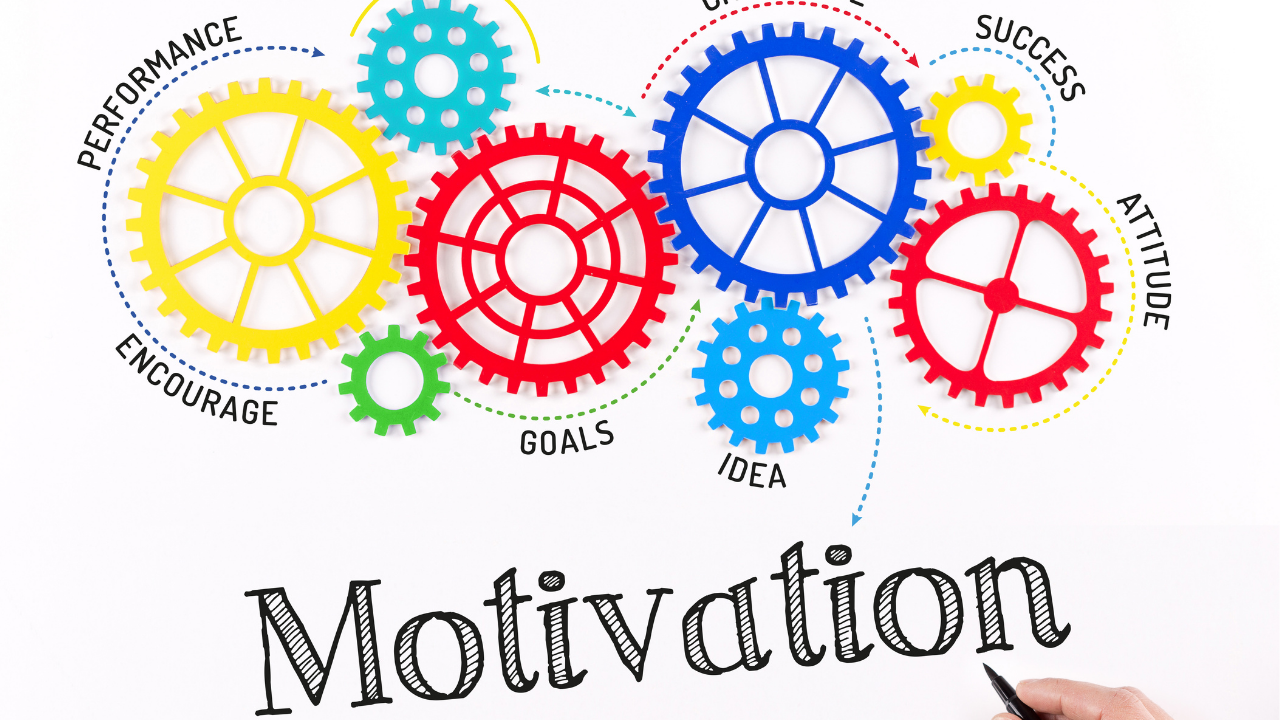
Um, and you can know what to do the methods for buying and selling the methods for growing a prospect of your methods for investing your methods for speed reading, right? But you can still be stuck in that box because you need the second M which is Motivation. Because if you don’t have the motivation to get out of that box, you’re still going to be stuck. Now here’s the key to motivation. There’s a formula and this is what everyone should take away from this conversation. If you ever procrastinate, if you ever sabotage, it’s usually a mindset issue. Meaning we take one step forward, two steps back because you don’t believe it’s possible. You don’t believe you deserve it. You don’t believe you’re capable of it. And so it’s a mind game. If it’s a motivation issue, usually comes in the form of procrastination, right? People putting off the things that they know they should do, they shouldn’t make making a certain amount of sales calls.
Follow-ups exercising, meditating, whatever it is. Here’s the formula for sustained motivation. PxExS3 is the formula for sustained drive where you don’t fall term PxExS3. So let’s deconstruct this. Let’s say people want to be motivated. Need the evidence. Someone is motivated. It’s not what you say. It’s not even how you feel your kids could. They’re motivated, but it’s not. That doesn’t just mean anything you could see, your team could say, they’re motivated. It’s not what you say. It’s not what you feel. It’s whether you consistently take action, right? That’s the evidence someone’s motivated. So let’s say someone who wants to be motivated to workout, right? We know one of the best ways to uplevel your, your, your focus, your, your cognitive performance is exercise as your body moves your brain grooves. When you exercise brain derived neurotropic factors, which is like fertilizer for neuroplasticity, uh, like fertilizer for your brain.
So any in fact, Marco, when people listened to your podcast or like an audiobook, when they’re on a treadmill or going for light, like walk or jog, they’ll actually learn it and retain it better. Because as your body moves your brain groups, but let’s say you’re not exercising consistently. You’re not motivated. What do you need? PxExS3. So if we’re going to build the ultimate motivated human being, the P stands for you first need Purpose. Because I believe that reasons reap results that you can know intellectually why to do something and still not do it. It has to be a feeling because the success formula for all manifestation called what you like, goal achievement, head, heart, hands 3H’s Head, Heart, Hands. You can visualize a goal in your head, but if you’re not activating your hands, you’re procrastinating checking with the second age, which is the heart, right?
Because we are not. In fact when people buy, they don’t buy logically. They buy what they buy emotionally, because we are not logical. We are biological. You think about dopamine, oxytocin, serotonin. We are this chemical feeling soup. And that the feeling is the fuel that moves us forward, whether it’s someone to buy or for us to lead, to do anything. And so going back to this purpose, the P in the equation for sustained motivation, you have to feel, feel the benefits of following through, and also feel the pain of not following through. Who’s counting on you, who you’re going to disappoint. You know, if you don’t play your a game today and again, all through your commitments. So that’s the purpose. So in now this model is for motivating yourself, but it’s also about motivating your team, motivating your children. Anything else they need purpose.
Now somebody can know all the reasons why they should work out. It’s still not work out, or, you know, people see pictures of me with, you know, Elon Musk, Oprah Winfrey, Bill Gates. We bonded over books. And I believe leaders, you know, the shirt I’m wearing right now read more. Here’s our readers, right? And cause if somebody has decades of experience and they put into a book and you can read that book in a few days, you can download decades in the days. Biggest advantage there is, right. You know, if they’d make the same mistakes and you can learn from other people’s experience. But let’s say to get through a book a week, did you know, 52 books a year? Most people only read two or three books a year, right? You know, a lot of our clients read four to six books a month, you know, book a week, 52 books a year, which is astonishing advantage.
You could read a book on negotiation. You can read a book on sales. You can read a book on money, man, everything gets easier, right? So, but if you’re not to get through one book a week, the average book has 64,000 words. The average person only reads 200 words per minute. That means 320 minutes to get through a book divided by seven days in a week, 45 minutes of reading a day will get you through one book a week. You know? So it’s, it’s very, it’s manageable. It’s that’s, I mean, it’s a lot of time, but it’s not that much time, but let’s say you’re not, you’re going to be motivated to read more, but you know, you can have the purpose, you know, you can make more income. You’re gonna make, have greater influence impact and so on. But if you still don’t do it, maybe you’re missing the E PxE, E stands for Energy.
So let’s say you want to be, you had the purpose to work out, but you haven’t slept in three days because you have a newborn child. You’re not gonna be very motivated to follow through. Or maybe you want to read 45 minutes a day because you want to read one book a week, 40, 52 books a year, but you ate a big process meal and you’re a food coma. You lack energy. And when you, we, you know, fatigue will make cowards of us all we won’t follow through. If we’re tired. Now find the book. I talk about the 10 keys for brain energy to get over mental fatigue, the best brain foods, how to optimize your sleep and everything else. Finally, if you have great enough purpose and you have enough energy, we always be motivated. No, because you could be missing S3, S3 Small, Simple Steps.
Oftentimes we can motivate someone to buy, even if they have purpose and they have the energy, the resources, the money to do so because they’re confused. And a lot of people set goals that are so big. They want a million followers on social media, or they want to build that brand with its big goals and it can be intimidating. And just like in sales, a confused mind, doesn’t buy a confused mind. Doesn’t do anything so often. What we need to do is break it down into small, simple steps for other people or even ourself. So maybe working out an hour a day is too big of a jump for someone who doesn’t do exercise, maybe small, simple steps putting on your running shoes, right? Maybe reading 45 minutes a day is way too big. Maybe it’s just opening up your book or reading one line because nobody’s going to stop with one line.
Right? But ongoing. So how you find your small, simple step, this magic question. What is the tiniest action I could take right now that will give me progress towards this goal where I can fail was the tiniest action I could take right now and me progress towards this goal where I can not fail. And that’s, that’s the thing. It’s really inch by inch. It’s a cinch yard by yard. It’s too hard. So that’s the key to motivation. So if it’s your kids giving them a reason to do it because they don’t have a reason. They’re not purpose. They’re not going to clean their room. Right? Make sure they have enough energy to study. Make sure maybe a small, simple step is putting, throwing one sock into the hamper. Right? Getting a small little step in just like if you get your kids, uh, uh, floss, one tooth, no, one’s gonna stop with one tooth.
Right? And then they get momentum. And so little by little, a little becomes a lot. And then finally, the last am after mindset and motivation are the methods. Now here’s the magic. You’ll see there. Three plays at the intersecting points where some of the circles intersect. There are three eyes where mindset crosses over with motivation. You have inspiration, meaning you believe, you know, their mindset experts. Uh, it’s a great mindset books. Carol Dweck, Dr. Carol Dweck, great book on mindset, speakers, motivational books, where they intersect you get inspiring speakers, inspiring movies. And what does an inspiring movie do? It changes your mindset of what’s possible. And it gives you some drive and motivation, but you’re inspired, but you don’t have the methods. You don’t know what to do instructions. So that’s that that’s inspiration where mindset crosses over with methods. You have ideation, meaning, you know, mindsets in your minds and your head methods also in your head.
So it stays an idea because you lack the motivation circle, right? So that’s ideation or motivation crosses over with methods. You have implementation. That’s the third eye meaning, but because you’re motivated, you have purpose, you have energy, you know what to do the methods to invest, to buy, to sell, but you, you still be stuck in that box because you’re only going to be able to implement upwards of what you believe is possible. Your mindset allows now we’re all three eyes or all three M’s intersect right in the middle. You have the fourth eye, which is integration and integration. Like integer is a whole number. It’s, uh, it’s just who you are. And that that’s the limitless state. So you use this framework as a lens to look at. What’s keeping me stuck in that box. I relationship in my physical health, in my income is in my mindset.
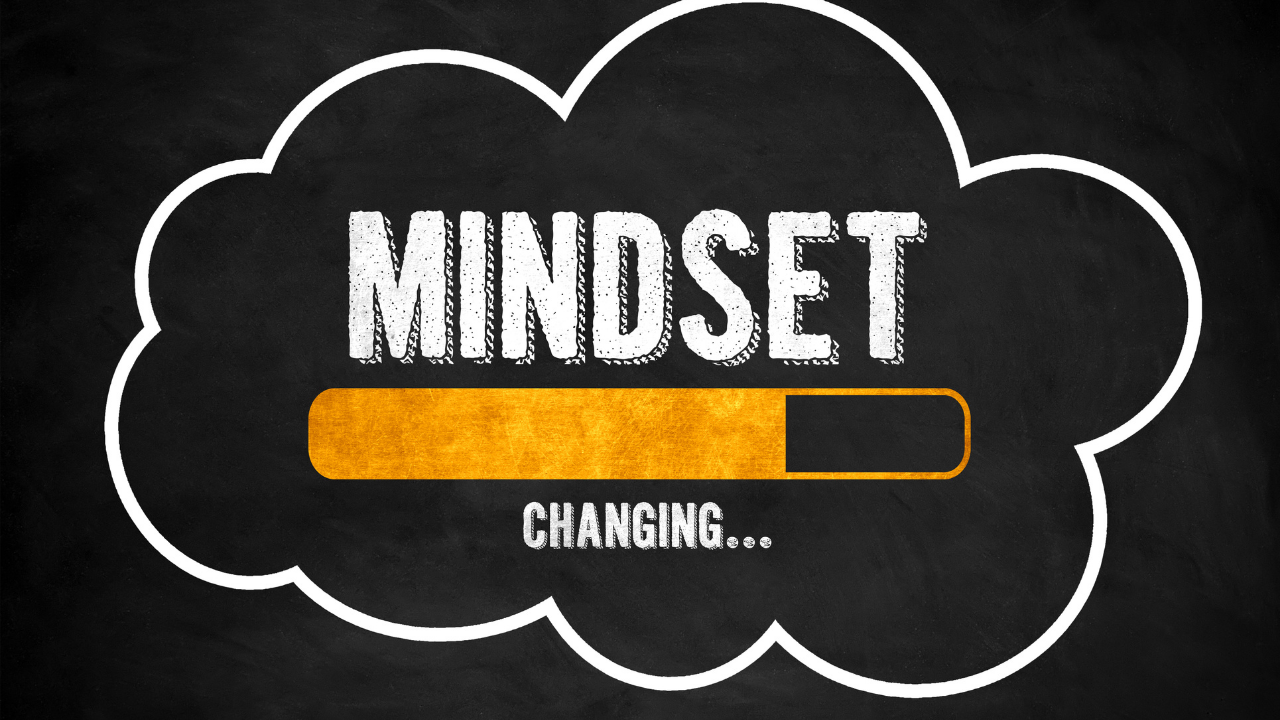
Do I not believe it’s possible? And when I believe I’m capable of it, do I not believe I deserve it or doors in my motivation? Do I not have purpose? And maybe if you don’t feel purpose, maybe you shouldn’t be doing that thing, right? It’s a good test. Maybe I don’t have the energy because I’m really stressed out in my mind is burning up the arm or on these energy vampires, I’m stealing my energy. Or maybe I have to break it down into small, simple steps. Cause it’s too intimidating or confusing, or maybe I need to use a better method. Upgrade my knowledge, my skills, my capabilities to sell to market, to read, to remember, you know, so it becomes, uh, also, uh, a role modeling tool where someone successful, like you, you could go and have a conversation. And with, with somebody who is successful and says, Hey, what’s their mindset. What do they believe is possible? What’s their purpose? What are they doing to optimize their energy? What are the small, simple steps? You know, they’re doing it on a daily basis. You know, what is the actual process and methods and strategies that they’re employing to get that kind of results. So that’s the limitless model. And I share that because then we can go a little bit micro into wherever you want to go. Mindset and motivation is for reading faster, remembering people’s names, all that good stuff.
Yeah. Well, that’s a tremendous setup. The fact we could almost stop here, but there’s so many things that we could unpack from that framework. It’s a tremendous framework as you’re talking about it, I’m thinking of those circles that you have in the book and how they’re laid out. And that visual is very clear. It really just helps you to understand what you just talked about. So if someone’s listening to you right now and they’re confused, my suggestion is, well, my first suggestion would be buy the book, but even if don’t buy the book, just go to amazon.com, you can look at, um, they kind of have a preview of, you know, a certain number of pages, but that diagram is actually there that you can see for free on Amazon. And I know you’re going to end up probably purchasing the book at that point, but there’s just a lot to unpack there.
And I know we’re kind of limited on time today, but let’s just touch upon a few things. Passion versus purpose. That chapter hit me pretty hard. It’s not something I wasn’t aware of. I’ve been kind of following my passion and a purpose, which I discovered somewhat accidentally over the years, but it was a great chapter. It made things very, very clear for me. And I was thinking of myself at the time because my passion is real estate, real estate investing and investing in general. Like I invest in businesses. I invest in all kinds of different asset classes, but I really enjoy teaching people how to create financial freedom, how to create wealth and passive income and achieve financial freedom. And I didn’t know that was my passion until I started doing it about 16 years ago. So it kind of fell in my lap, but then the light bulb went off and I thought, geez, my passion is not really what I’m here on this earth to do. It’s the purpose of teaching other people to do what I’m doing. And so just answer the question, like why is this important and how does that actually help motivate us? Because some people don’t, aren’t clear on the whole motivation piece of the purpose.
I know I love that. So again, it’s PxExS3 and seiz to start with purpose. And for me, it’s a lot of people use passion and purpose interchangeably and find your passion and your purpose. And for me, it’s very distinct. Passion is something for me, functionally, what lights someone up, you know, so for me, my passion is learning maybe because I grew up with learning challenges. I became very, you know, stewed and increase my capabilities and I increased my competence and I started to enjoy more. I light up to learn anything. So I have, uh, not only to do list, I recommend everybody has a to learn list. Right, right. It’s important to find what lights you up. So learning is something that lights me up. That’s been my passion and you’ve got many passions, right? Many things that light you up for me, purpose is how you use that passion to light someone else up.
Right? And so if my passion is learning, my purpose is teaching others how to learn, right? You have a passion around wealth management around investing and that lights you up. And then your purpose, one of your purposes is teaching other people how to invest, to be able to buy and sell all of these various wealth assets, you know, these classes and such. It’s wonderful. So this distinction here is when I talk about purpose, it’s kind of like, um, or even passionate, it’s kind of like, uh, finding true love. Some people say, I have to find these things and certainly you have to put it out and you have to discover, you know, you have to go out there and date and seeing where your heart and your, you know, what grabs your mind. Right. And it grabs your attention, but it’s not just discovering true love.
It’s actually developing it and working out and building it, right. Just like you would a passion also. Well, and so we takes at work, but you know, where you find your attention going, you give yourself enough stimulus, you see what you get drawn to and then you work on it. And then, you know, I always recommend because so many people are scared sometimes, uh, making a mistake or taking action. And, um, I always say, try things at least three times, try it once to kind of get over the fear of it, try it a second time to just get good at it. Try it a third time to see if you enjoy it or not also as well. You know, if it’s something that you’re passionate about, I’m encouraged that for, you know, for those people who have children, you know, to give them enough stimulus, to see where their attention goes and then cultivate cultivate that.
And so passion is incredibly important. That purpose is incredibly important. It adds fuel to our life because, and then the other thing is a lot of people mitigate their life and their learning because of her, you know, because of other people’s expectations and their opinions. But the truth is just a little thought experiment. One day we’ll be taking our final breaths, right. And in that moment, none of other people’s opinions, none of our fears are going to matter. What’s gonna matter is how we laughed, how we loved, how we learned, how we lived. Right. So I w I would begin with the end in mind, knowing that, you know, when I talk about in mindset, I talk about the seven lies to learning. They’re also seven lies to just, you know, a lot of people have in their life. And a lie for me, stands for limited idea, entertained, limited idea entertained. One of them, you know, happens to be other people’s expectations, their opinions matter, because the truth is they don’t like when we’re in that, you know, in that coffin, the cast is not a very pleasant thing to think about, but there’s no room for possessions and people can have the Drake treasures and the great toys, but there’s also no room in there for regret. And so, um, you know, we have one life, you know, why aren’t we running towards our dreams? Like we’re on fire.
Yeah. That’s pretty powerful with the couple minutes that are left here. Cause I know you’re on a tight timeline. I literally had a hundred things to talk to you about and ask you. But, you know, obviously we wouldn’t be able to fit that even into an hour if we wanted to, for people listening to this, you know, a lot of what you’re talking about might seem a little bit high level or a broad or theoretical in a way. But I know that you have a lot of tactical stuff in the book as well. It’s not just a theory, a book book on theory. I call them brain hacks. You know, I like Dave Asprey and guys like that. People who I know, and I’ve met over the years, you know, they talk about all these different types of bio-hacks and yours. I, you know, I took away a lot of brain hacks, if you will, like, like the power of music and just listening to music like Bach and classical, uh, to help improve memory when you’re studying. I don’t know if you want to talk about that, but the three that I liked the most with music, primacy and latency, if you have time to explain that and then space repetition, which is so easy to do, maybe start with space repetition, because there’s an easy way to learn.
Yeah, well, so I would recommend everybody here to be a faster learner there’s number of things we could do, you know, as you’re studying, uh, properties, you’re sending books, your own personal development, a number of things. First of all, the Pomodoro technique suggests that the optimal amount of time to study and work is in increments of about 25 to 30 minutes that after 25 or 30 minutes, our attention tends to drop and to wane. And what I recommend is everybody takes a break every 30 minutes, a five minute break. And during that brain break, you do three things. Number one, you move, they say, sitting is the new smoking, right? We’re buying screen a and when you move, you create brain derived neurotrophic factors, which is great for your brain to create new connections and everything. So just to come in and just do some jumping jacks, and what’s good for your heart is gonna be good for your head.

Your brain is only 2% of your body mass, but it requires 20% of the oxygen. And a lot of people are tired just because they’re not moving. Number two, you want to hydrate. And a lot of people, your brain is mostly water, 75% water. And just staying hydrated will boost your reaction time and thinking speed, 30%, 30% traded. We can lose up to a pound of water, just sleeping at night through respiration and perspiration. So one of the first things we should be doing is drinking a glass of water. First thing in the morning. Um, the third thing you can do besides move and hydrate, third thing you could do is breathe. A lot of people are tired because their posture, when they’re reading, they get tired or brain fatigue, right? They read something, get the, and forget what they just read. And they get so tired of studying or in meetings.
And part of is their posture. Cause when you’re, when you’re slumped over the lower one, third of your lungs absorbs two thirds of the oxygen. And it’s so important. We actually, you could go weeks without food. You can literally go days without water, but you can only go minutes without oxygen. So make sure you use that time to do some deep breathing also as well, and then go back to your, your studying or your learning or meetings if it’s possible. Right? So what happens is by taking that break, primacy and recency, if you have ever crammed back in school and you let’s say you cramp for five hours straight, primacy says, you tend to remember something in the beginning. Recency says you tend to remember stuff at the end. Meaning if you go to an event, you probably remember the first people there and the last people there.
If I gave you a list of 40 words to memorize, you probably remember the first few words in the last few words. Now, if you don’t take a break and you work straight for four or five hours or study or whatever, you tend to remember stuff in the beginning and stuff in the end, but there’s a big dip in the middle by taking a break every 30 minutes, what are you doing? You create more beginnings and more ends, more primacy and recency. So you uptake a lot of that forgetting curve. Um, another thing that you could do on top of it while you’re studying, as you mentioned, is listening to certain music. There’s certain music that will put you in the relaxed state of awareness. They call it an alpha state. Um, right now everyone’s in beta, you’re wide awake, Delta you’re as fast asleep data that state right before you go to sleep is, um, or a wake up is that state of creativity. Um, you don’t wanna put you in that data state is, uh, showers. Have you ever noticed when you’re taking a shower, you come up with all these ideas?
Yeah, I do my best thinking in the shower actually.
I took five showers for you today just to be there. So you could actually engineer these brainwave States. So theta state will make you more creative and there things you can do to beak in that data state, that alpha state is between data and beta. When you’re awake, that’s the relaxed state of awareness that state you go into when you meditate and you become a sponge, we teach people how to learn languages twice, even three times faster, getting to an alpha state. That’s where your conscious mind is set aside. And you just absorb information. Television will put a lot of people into an alpha state, you know, ever try to talk to somebody when they’re watching sports or they’re watching and they don’t hear you. They’re just hypnotized, you know, and that’s imagined being hypnotized by what you want to learn though, you know, where you’re just absorbing the information.
And one of the things that will put you in that alpha state is classical music. So not rap or heavy metal, uh, but classical music will put you in a state, especially, um, Baroque classical music, an era of music where it’s like 60 beats per minute like it harmonized with the resting heart rate. So Vivaldi Holdall will put you so you could just put a playlist together, put on YouTube, you know, Baroque, classical music habit in the background while you’re studying and working and it’ll help you to absorb the information. One another tip. Also, you don’t out of all five senses, the one that’s most connected to our human memory. It’s olfactory. It’s our sense of smell. Yeah. The thing, when you study in an environment that you have to perform in, then you’re going to perform better, right? They do this test memory tests where they’ll put the submerged people underwater with breathing apparatus, give them 30 words to memorize, take them out, test them outside and open-air, and then put some merging back in, test them underwater.
And in which environment do they remember more underwater where they originally learned the information? Because what they realize is the research says is that the environment gets coated with that information. And by going back into the information in the environment, it helps make that information more readily available. Now we can’t often study in the place we need to perform in the house that we need to study on need all the listing information, all this involves information, but you can take the environment with you. So another brain hack you can do is when you’re studying, use your sense of smell, which is the closely, mostly linked to your memory and smell something that unique, a unique lip, balm, perfume, essential oil cologne. And then when you need to perform and have that information at your mental fingertips, wear that same scent and it’ll help you to be able to recall it far greater.
That’s awesome. I love bio-hacks and brain hacks. They’re just, they’re just amazing. Let’s wrap up. What’s the one biggest takeaway that you want to share with our listeners today? What’s the biggest thing that you want them, to remember from all this?
I mean, I know you opened this up with that in investment in knowledge always pays the best dividend, right? Like, well, if you want your, your brand, your business, your bank account to grow, you need to grow. And the number one wealth-building asset we have is found between our ears, right? It’s our brain, but our brain doesn’t come with an owner’s manual. It’s not user-friendly, but there’s one skill to master in the 21st century. This is what I want people to take away with. It’s learning how to learn, right? Because if you get the faster, you can learn, the faster you can earn, right? Because knowledge is not, or knowledge is profit. If there was a genie could grant you any one wish, but only one wish you would ask for limitless wishes. Well, if I was your learning genie as your brain coach, if I was your learning genie, I could grant to anyone learning wish to master any one subject or any one skill, what would it be?

Would it be sales, negotiate? What would it be learning how to learn? Because then you could apply it towards what money management, martial arts, marketing, mandarin, music, everything in your life gets a whole lot easier. And so commit yourself to learning how to learn as the one subject we didn’t learn, you know, back in school. And that’s what my podcast is all about 200 episodes, 15 minutes each on how to learn, how to learn. That’s what the book is full of brain hacks for busy. People want to learn faster and achieve more in our online programs, but it’s just, that’s the ultimate competitive advantage. It’s not just, it’s not just a wealth divide. It’s those who know and those who don’t know. And so I would encourage everybody to really double down to learning how to learn. And at the very least read every day, I just did an in story with, uh, with Will Smith.
And I was like, how do you stay top of your game? You know, how do you stay mentally alert? And he’s like, Jim, I do two things every day I run and I read, I run, I do something physically to challenge myself and I do something mentally. And reading is to your mind what exercise is to your body. So I would, I would encourage everybody to get one book a week club. It’s not as hard as you think, 45 minutes a day, or if you’ve gone through one of our reading programs, you triple your reading speed, 15 minutes a day. It’s the big leaders are readers. You know, I got, I did a talk in Silicon Valley and afterwards Bill Gates comes up to me and he’s, I was like, you know, uh, if you have any one superpower, what would it be? And he’s like, Jim, exactly what you teach rainy faster.
And Warren Buffet said, I probably wasted 10 years of my life reading slowly. He reads 500 pages a day. This man still to this day. Yeah. Get that advantage to get that edge, commit yourself to, to reading and, um, you know, and then Limitless, you know, and we, we donate a hundred percent of the proceeds of this book to charity, to Alzheimer’s research and memory of my grandmother, um, who I pooped past when I was going through my learning difficulties. And Alzheimer’s, we just donate another $50,000 this month to pencils of promise. We built school healthcare, clean water for children everywhere, from Ghana to Guatemala. And so when people go to limitlessbook.com, all the links to Amazon everywhere to get the book, is there Barnes Noble everywhere. You would get it, but you get a 10 day speed reading memory course from me as a thank you for getting that book.
And it’s just my gift because I want this to be the most read book out there, even though it did really well. And it hit number two of all of Amazon, you know, and did really well. Number one business book out there in a, I want to get this book, the most read book, and most people don’t read. They’re really good books and it sits on your shelf. Like it becomes shelf help, not self-help. I want this to be real self-help for people. And so all that is on there and I challenge everyone. Marco’s listening to do this. Take a screenshot of this episode, this conversation and tag Marco tag myself at Jim quick, it’s spelled right. K w I K. And post one thing you’re going to do to better your brain. Just one thing, just take a screenshot post. Like one thing are needed. Maybe we’re gonna read 10 minutes a day. Maybe you’re going to prioritize your sleep. You know, maybe you’re gonna go listen to another podcast every day while you go for your walk, whatever it is, right. One thing you do, I’ll repost some of my favorites and I’ll actually gift a copy of this book just randomly to one person. Um, thank you very generous for just being part of this community for listening to this conversation.
I really appreciate that. Well, I always end by asking, you know, you are my guest, how can they find you work in to get more information? You’ve pretty much answered that, but let’s just cover that again. Just so we have the right links. So your website.
Yeah. So the best place to actually get information is go to kwikbrain.com, kwikrain.com. I give you three free videos, one on how to remember names. One, how to give a Ted talk from memory and another, the 10 things I do to upgrade my brain, including the best brain diet and sleep and everything. Can you get that? And then also links to my podcast are there. And just so social media, I do lives on Facebook and Instagram and all those channels answering people’s burning questions, but I mostly just want to thank you for making this platform available. I think now more than ever, you know, people ask all the time, Jim, how do you become limitless your book title in a limited world? And I’m like very simple. We do it together, right? And that’s what we’re doing. It’s just learning is not just your neurological networks.
It’s your social networks who you spend time with is who you become. So this is so important with what you do, sharing. We all need people like you, who we encourage other people to challenge other people that are kind to other people that cheerlead for other people. And if you haven’t found something yet, my advice for you listening is to be that person for someone else, especially be that person for yourself. You know? Cause I believe your life is like an ache that if an egg is broken by an outside force, life ends. But if it’s broken by an inside force, life begins, you know, great things begin on the inside and everyone is listening to, you’re still listening to this. I feel like we’re kindred spirits. You have greatness inside of you. You have genius inside of you. There’s literally a version of you that you haven’t met yet. And your, your goal is to keep showing up every day until you’re introduced to that person.
Yeah, absolutely. Well said. Great way to end that, Jim, I want to thank you so much for coming on the show. I also want to thank you for putting out what you put out and sharing it with the world because I think it is sorely lacking and almost desperately needed. So, you know, the best investment you can make is your brain. Like you said. So, uh, thank you for coming on. I appreciate it.
Appreciate you buddy. Take care everybody.
Thank you. So in wrapping up here, just for anybody listening to this, if you enjoy the content, remember to subscribe to the show, we put out one to three shows every single week, help us spread the word, share this with your like-minded friends, visit us on iTunes, leave us a rating review greatly. Appreciate it. Thank you for listening and we’ll see you all on our next episode.
Download your FREE copy of: The Ultimate Guide to Passive Real Estate Investing.
Get your FREE coffee mug by leaving us a Rating and Review on iTunes. Here’s how.
See our available Turnkey Cash-Flow Rental Properties.
Please give us a RATING & REVIEW (Thank you!)